-
How to Get Cited by Google AI: 5-Step Framework for AEO
The landscape of search in Australia is undergoing its most significant shift since the introduction of RankBrain. As Google integrates generative AI directly into the Search Engine Results Pages (SERPs), the goal for digital marketers and business owners has evolved. It is no longer enough to rank on page one; the new gold standard is becoming a cited source within the AI-generated overview.
This evolution is known as Answer Engine Optimization (AEO). While traditional SEO focuses on driving clicks to a webpage, AEO focuses on providing the direct “answer” that an AI model synthesises for the user. To stay competitive in the Australian market—from Sydney’s tech hubs to Perth’s growing retail sectors—understanding how to feed these models the right data is essential.
See more: Why Partnering With an Umbraco Agency Australia Trusts Delivers Stronger Results
Understanding AEO: Why Being Cited is the New Ranking
Answer Engine Optimization is the process of optimizing content for synthesized AI responses. Unlike traditional search, where a user chooses from a list of links, Google AI (and tools like Search Generative Experience) provides a cohesive summary of information gathered from multiple high-authority sources.
Getting cited by Google AI places your brand at the very top of the conversational interface. It provides a massive boost to perceived authority and Trustworthiness—core pillars of Google’s E-E-A-T framework. For Australian businesses, this means your expertise in niche markets like arboriculture, property investment, or medical technology is validated directly by the search engine.
Step 1: Establish High Topical Authority and E-E-A-T
Google’s AI does not cite random blogs. It pulls from entities it perceives as experts. To get cited, your site must move away from “keyword targeting” and toward “topical dominance.”
The Information Gain Factor
In 2026, Google prioritises “Information Gain.” If your article simply repeats what is already on Wikipedia or major news sites, the AI has no reason to cite you. You must provide unique data, personal experience, or a distinct Australian perspective.
- Experience: Share case studies from local projects (e.g., a specific renovation project in Brisbane).
- Expertise: Use technical terminology correctly without over-explaining the basics.
- Authoritativeness: Secure backlinks from reputable
.com.audomains and industry-specific journals. - Trust: Ensure your “About Us” and “Contact” pages are detailed and reflect a real-world business entity.
Semantic Entity Linking
AI models understand the world through entities (people, places, things, and concepts). When writing about “How to Get Cited by Google AI: A 5-Step Framework for AEO Success,” ensure you link your primary topic to related entities like “Large Language Models (LLMs),” “Natural Language Processing (NLP),” and “Knowledge Graphs.”
Step 2: Structure Content for Machine Readability and Crawling
For an AI to cite you, it must first be able to parse your content with zero friction. Efficient crawling and indexing are the prerequisites for AEO.
Logical Content Hierarchy
Use a strict heading structure. Your H1 should define the topic, while H2s and H3s should break down the components of the answer. This creates a “map” that Google’s crawler, Googlebot, can follow to understand the relationship between different sections of your text.
The “Snippet-First” Writing Style
To win a citation, you should provide “Micro-Answers” within your long-form content.
- Direct Definitions: Start a section with “AEO is…”
- Bullet-Point Summaries: Use lists to break down complex processes.
- Data Tables: Compare statistics or features in a table format, which is highly readable for AI scrapers.
SEO Element Traditional SEO Focus AEO Focus Primary Goal Click-Through Rate (CTR) Attribution & Citation Content Format Articles & Landing Pages Q&A, Lists, Data Points Key Metric Keyword Rankings Natural Language Mentions Step 3: Implement Advanced Schema Markup
Schema.org markup is the “native language” of Answer Engines. By using structured data, you are explicitly telling Google what your content represents, rather than forcing the AI to guess.
Crucial Schema Types for AEO
- Article/TechArticle Schema: Identifies the nature of your long-form content.
- FAQ Schema: Directly feeds the Q&A pairs into the search engine’s knowledge base.
- HowTo Schema: Perfect for frameworks and step-by-step guides.
- Author Schema: Connects the content to a verified expert profile, boosting the “Expertise” signal.
By implementing these, you increase the likelihood of your content being used as a factual source for AI-generated summaries.

Step 4: Optimizing for Natural Language and Voice Search
People interact with AI engines using natural language. Instead of searching for “AEO framework,” a user might ask, “How do I get my business cited in Google’s AI overview?”
Long-Tail Conversational Queries
Your content must mirror the way humans speak. Integrate “Who, What, Where, Why, and How” questions into your subheadings.
- Example: Instead of a heading titled “AEO Framework,” use “How to Get Cited by Google AI: A 5-Step Framework for AEO Success.”
Localized Context for the Australian Market
Include geographic markers and local terminology. If you are discussing property investment, use terms like “negative gearing” or “strata,” which are specific to the Australian financial landscape. This local relevance makes you a primary candidate for AI citations when Australian users perform local searches.
Step 5: Prioritise Technical SEO and Indexing Speed
You cannot be cited if you are not indexed. In a fast-moving digital economy, speed is a ranking factor for the AI’s “freshness” requirement.
Optimizing for Fast Indexing
- Submit X-Sitemaps: Ensure your XML sitemap is updated and submitted via Google Search Console.
- Internal Linking: Use a hub-and-spoke model. Link your high-authority “pillar” pages to your new AEO-focused articles using descriptive anchor text.
- API Indexing: For time-sensitive content, use the Google Indexing API to request immediate crawls.
- Crawl Budget Management: Remove low-value pages (thin content, duplicate tags) to ensure Googlebot spends its time on your high-quality AEO assets.
Real-World Use Case: AEO in the Australian Medical Sector
Consider a Sydney-based clinic offering laser eye surgery. By creating a comprehensive guide titled “The Safety of SMILE vs. LASIK in 2026,” and using the 5-step AEO framework, the clinic provides specific, data-driven answers. When a user asks Google AI, “Which laser eye surgery has the fastest recovery time?”, the AI can pull the specific recovery data from the clinic’s structured table and cite them as the source. This results in a “Zero-Click” win that establishes the clinic as the premier authority in the region.
Common Mistakes to Avoid in AEO
- Thin Content: AI engines require depth to verify facts. Avoid 500-word “fluff” pieces.
- Over-Optimization: Writing for bots at the expense of human readability will trigger “Helpful Content” filters.
- Ignoring Mobile: Most AI interactions happen on mobile. If your site doesn’t pass Core Web Vitals, your citation chances plummet.
- Neglecting Brand Mentions: AEO is partly about “Digital PR.” If no other sites mention your brand, Google is less likely to trust your data.
FAQ: Navigating the Future of Answer Engine Optimization
What is the difference between SEO and AEO?
SEO focuses on optimizing for search engine algorithms to rank links, while AEO focuses on optimizing content to be the direct answer provided by an AI engine or voice assistant.
How long does it take for Google AI to cite my content?
Indexing can happen in hours, but establishing enough topical authority to be cited by AI typically takes weeks of consistent, high-quality publishing and strong E-E-A-T signals.
Does word count matter for AEO?
While there is no “magic number,” topical depth is vital. Articles between 1500 and 2500 words generally allow for the comprehensive coverage required to satisfy complex AI queries.
Will AEO reduce my website traffic?
It may reduce “top-of-funnel” informational clicks, but the traffic you do receive from AI citations is often higher intent and more likely to convert, as the user already views you as a verified expert.
Can I use the same keywords for AEO and SEO?
Yes. The primary keyword “How to Get Cited by Google AI: A 5-Step Framework for AEO Success” serves both purposes by targeting the search query and providing a clear answer structure.
Is schema markup mandatory for AEO?
While not “mandatory,” it is highly recommended. Schema acts as a translation layer that helps AI interpret your data accurately and with higher confidence.
Conclusion: Dominating the New Search Era
Mastering How to Get Cited by Google AI: A 5-Step Framework for AEO Success is no longer optional for those who want to lead their industry. By focusing on topical authority, technical crawlability, and structured data, you align your content with the direction Google is moving.
The future of search is conversational, expert-driven, and instantaneous. By implementing this framework today, you ensure your brand isn’t just a link in a list, but the authoritative voice that Google trusts to answer the world’s questions.
Next Steps for Your SEO Strategy:
- Internal Link Suggestion: [latest trends in technical SEO Australia]
- Internal Link Suggestion: [guide to E-E-A-T for service-based businesses]
- External Reference Recommendation: Consult the Google Search Central Blog for the latest updates on generative AI in search.
- External Reference Recommendation: Review the Schema.org documentation for “Article” and “FAQ” properties to ensure technical compliance.
-
Food Safety Compliance Management: Centralising Records Across Sites
Centralising records brings order back. When a business can see every site’s checks, issues, and sign-offs in one place, they can spot risk earlier, respond faster, and demonstrate compliance with less stress.
Why do multi-site teams struggle with food safety records?
They struggle because every site develops its own habits. One location might log temperatures on paper, another in spreadsheets, and a third in an app that nobody else can access.
That fragmentation creates gaps. Head office cannot confirm what was completed, when it was completed, and by whom, without chasing people. During an audit, those gaps look like weak control, even if the work was done.
What does “centralising records” actually mean?
Food safety compliance management involves storing all compliance evidence within a centralized, controlled system that enforces consistent formats, user permissions, and retention policies. While records are generated at individual sites, they are instantly visible and reportable across the organization, enabling real-time oversight and accountability.
A unified food safety compliance management approach also standardizes data capture practices. This includes consistent checklist structures, uniform non-conformance categories, and a standardized corrective action workflow, allowing for fair comparisons between sites and streamlined management of compliance performance.
Which records should be centralised first?
They should start with records that prove day-to-day control. That usually includes temperature monitoring, cleaning schedules, pest checks, allergen controls, receiving checks, and corrective actions.
Training records and supplier documentation often come next. Centralising those helps them confirm that people are competent, suppliers are approved, and critical documents are current across every site.
How does centralisation improve audit readiness?
It improves audit readiness by making evidence easy to retrieve. Instead of asking each site to compile files, the business can filter by date range, location, process, or risk area and export what is needed.
It also reduces the chance of “missing weeks.” When the system shows overdue tasks and incomplete logs, managers can intervene before an auditor finds the gap.

How can they keep site teams accountable without creating extra admin?
They can make record capture part of the workflow, not a separate job. The best setup lets staff complete checks where the work happens, using simple forms with required fields and automated time stamps.
Accountability improves when responsibilities are clear. Task assignment, escalation rules, and dashboards help ensure that missed checks trigger action, rather than being discovered later.
What governance rules make a central system credible?
It needs ownership, access control, and version control. They should define who can create, review, approve, and edit each record type, and keep an audit trail of changes.
Retention rules matter too. They should set how long records are kept, how they are backed up, and how they are protected from deletion, especially for high-risk processes and legal defence.
How should corrective actions be managed across multiple sites?
They should be tracked as linked evidence, not standalone notes. A non-conformance should connect to the failed check, photos or measurements, root cause, assigned owner, due date, and verification sign-off.
A central view also helps trend recurring issues. If multiple sites fail the same standard, the business can fix the system cause, such as unclear procedures or inconsistent training, rather than treating each failure as isolated.
What are the biggest pitfalls when rolling out centralised compliance?
The biggest pitfall is forcing one rigid process onto different realities. Sites vary by layout, menu, equipment, and staffing, so forms need standardisation without ignoring practical differences.
Another common failure is poor change management. If staff do not understand why the system matters, they will create “tick-box” entries. Clear training, quick feedback, and visible benefits prevent that.
How can they measure whether centralisation is working?
They can track completion rates, overdue tasks, repeat non-conformances, and time-to-close corrective actions. Audit outcomes and the time needed to assemble evidence are also strong indicators.
Quality of data matters as much as volume. If records include meaningful notes, consistent categories, and verified sign-offs, it becomes easier to identify risk and improve standards across all sites.
What is a practical first step they can take this month?
They can start by mapping where records currently live and which ones are most audit-critical. Then they can pick one or two record types, standardise the templates, and run a pilot across a small group of sites.
A controlled rollout beats a big-bang launch. Once the pilot produces reliable reporting and fewer gaps, they can expand site by site, keeping the same governance rules and improving the process as they learn.
FAQs (Frequently Asked Questions)
Why do multi-site teams often struggle with managing food safety records effectively?
Multi-site teams struggle because each location develops its own habits for record-keeping, such as logging temperatures on paper, spreadsheets, or inaccessible apps. This fragmentation creates gaps that make it difficult for head office to confirm what was completed, when, and by whom, leading to slower audits and difficulty proving corrective actions.
What does centralising food safety records mean and why is it important?
Centralising food safety records means storing all compliance evidence in one controlled system with consistent formats, permissions, and retention rules. This approach standardises data capture across sites—using the same checklists, non-conformance categories, and corrective workflows—making it easier to spot risks early, respond faster, and demonstrate compliance with less stress.
Which types of food safety records should businesses centralise first across multiple locations?
Businesses should start by centralising records that prove day-to-day control such as temperature monitoring, cleaning schedules, pest checks, allergen controls, receiving checks, and corrective actions. Following these, training records and supplier documentation can be centralised to confirm staff competency and supplier approval consistently across all sites.

How does centralising records improve audit readiness for multi-site food safety management?
Centralisation improves audit readiness by making evidence easy to retrieve through filtering by date range, location, process, or risk area. It reduces missing data by highlighting overdue tasks and incomplete logs so managers can intervene proactively before auditors identify gaps.
How can site teams maintain accountability in food safety record-keeping without increasing administrative burden?
Accountability is maintained by integrating record capture into existing workflows using simple forms with required fields and automated time stamps completed where the work happens. Clear task assignments, escalation rules, and dashboards ensure missed checks trigger timely action rather than being discovered later.
What governance practices make a centralised food safety record system credible and reliable?
A credible system requires clear ownership of records, strict access controls defining who can create, review, approve or edit records, version control with audit trails of changes, and retention policies specifying how long records are kept and protected from deletion. These measures ensure data integrity especially for high-risk processes and legal defence.
Click here for about: How a Temperature Monitoring System Improves HACCP Reporting
-
How a Temperature Monitoring System Improves HACCP Reporting
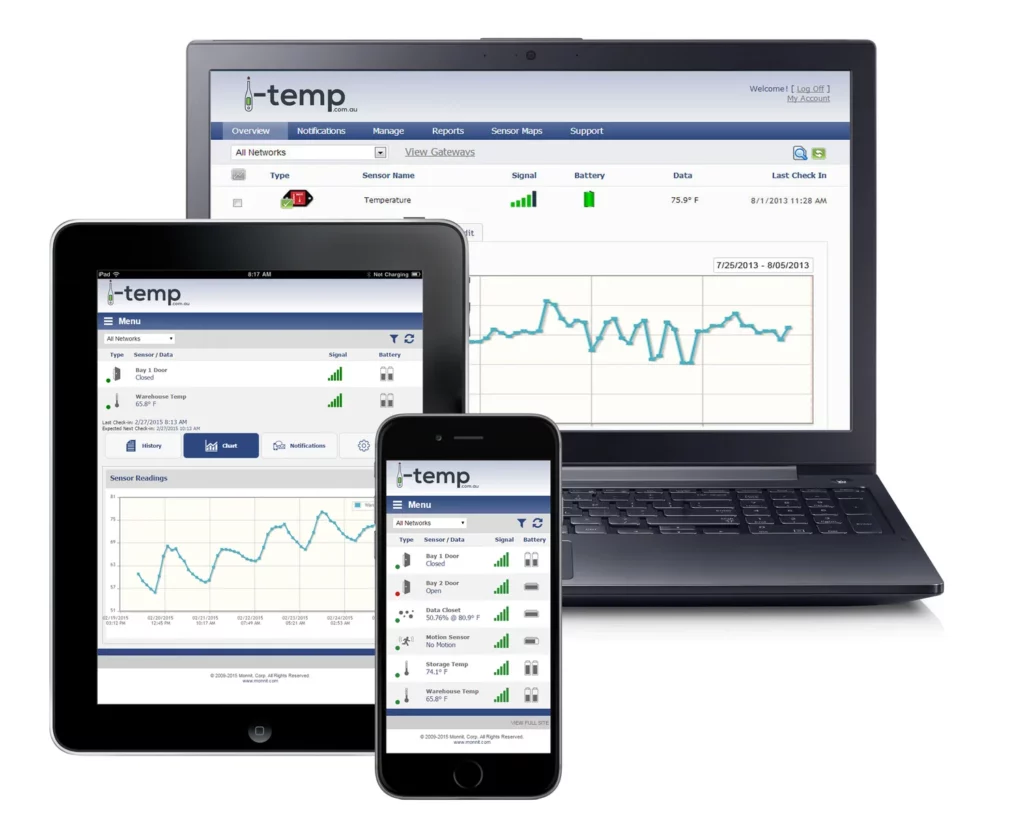
A temperature monitoring system tightens that gap. It collects readings automatically, flags issues as they happen, and turns messy logs into clean, audit-ready HACCP evidence.
What makes temperature records so critical in HACCP reporting?
Temperature logs are the simplest way to prove control of key hazards. They show that cold holding, cooking, cooling, and hot holding stayed within safe limits.
When records are missing or unclear, it is hard to prove control. That is when corrective actions, root-cause notes, and verification steps become tougher to defend during inspections or third-party audits.
How does a temperature monitoring system reduce manual logging errors?
A robust temperature monitoring system eliminates repetitive manual tasks that often lead to human error. Rather than requiring staff to record readings during peak service periods, a temperature monitoring system automatically captures data at predefined intervals, ensuring consistency and reliability.
This automation significantly reduces illegible handwriting, missed checks, transposed digits, and retrospective “backfilled” logs. The outcome is a precise, time-stamped record of conditions, strengthening HACCP documentation and enhancing overall audit credibility.

How does automated monitoring improve the completeness of HACCP records?
It creates continuous or high-frequency data, not just a few spot checks. That means fewer gaps between readings where problems could hide.
For HACCP reporting, completeness matters because it demonstrates ongoing control. Automated logs can also include timestamps, device IDs, and location labels, making each record easier to trace back to a specific step or piece of equipment.
How do real-time alerts strengthen corrective action reporting?
Alerts turn temperature problems into actionable events instead of discoveries after the fact. When a cooler drifts out of range, the right people can be notified immediately.
That speed improves corrective action notes. They can document what happened, when it happened, who responded, what product was affected, and what was done to restore control, all with accurate timing from the system’s data.
How does the system make verification and validation easier?
Verification becomes simpler because managers can review trends and exceptions without chasing paper logs. They can confirm checks happened, limits were met, and corrective actions were completed.
Validation also becomes stronger over time. With historical temperature trends, they can show that critical limits and monitoring frequency are appropriate for their process, especially for cooling curves, hot holding stability, and repeated equipment issues.
How does centralized reporting help during audits and inspections?
It gives them one place to pull HACCP evidence quickly. Instead of gathering clipboards from different stations, they can filter by date, location, product, or CCP.
This saves time and reduces anxiety. Auditors often want to see specific windows, like a weekend shift or a holiday rush. Centralized reporting makes those requests easy to answer with consistent formatting.
How does better temperature data improve trend analysis and prevention?
It helps them spot patterns before they become nonconformances. A cooler that creeps upward every afternoon, or a delivery bay that warms during unloads, becomes visible in the data.
That supports preventive maintenance and process changes. In HACCP terms, it strengthens ongoing verification and reduces repeated corrective actions by addressing the cause, not just the symptom.
How does a monitoring system support multi-site consistency?
It standardizes how monitoring is done across locations. Each site can use the same limits, reporting templates, and escalation rules.
For teams managing multiple kitchens, stores, or warehouses, this consistency matters. It allows comparisons, simplifies training, and makes corporate-level HACCP reporting more uniform, which is useful for brand standards and third-party certification.
How should they choose a system that actually improves HACCP reporting?
They should focus on reporting and proof, not just sensors. A strong option offers configurable critical limits, clear audit trails, easy exports, and reliable alert history.
They should also check basics that affect trust: sensor accuracy, calibration support, offline resilience, role-based access, and whether reports map cleanly to their CCPs and prerequisite programs. If it is hard to pull a report in two minutes, it will not feel like an improvement when audits hit.
What is the practical takeaway for HACCP teams?
A temperature monitoring system improves HACCP reporting by making records more accurate, more complete, and easier to defend. It also makes corrective actions and verification faster because the data is already organized.
In practice, it helps them spend less time chasing logs and more time preventing issues, which is the point of HACCP in the first place.
FAQs (Frequently Asked Questions)
Why are temperature records essential in HACCP reporting?
Temperature records are crucial in HACCP reporting because they provide clear proof of control over key hazards such as cold holding, cooking, cooling, and hot holding. Accurate temperature logs demonstrate that these critical control points stayed within safe limits, making it easier to defend corrective actions and verification steps during inspections or audits.
How does an automated temperature monitoring system minimize manual logging errors?
An automated temperature monitoring system reduces manual logging errors by eliminating repetitive human tasks prone to mistakes. Instead of staff manually recording temperatures during busy shifts, sensors automatically capture readings on schedule, reducing issues like illegible handwriting, missed checks, transposed digits, and backfilled logs. This leads to more accurate and credible HACCP documentation.
In what ways does automated temperature monitoring improve the completeness of HACCP records?
Automated temperature monitoring provides continuous or high-frequency data rather than sporadic spot checks, minimizing gaps where problems could go unnoticed. These comprehensive logs include timestamps, device IDs, and location labels, enhancing traceability for each record. This completeness demonstrates ongoing control over critical processes essential for robust HACCP reporting.
How do real-time alerts enhance corrective action reporting in food safety management?
Real-time alerts convert temperature deviations into immediate actionable events by notifying responsible personnel as soon as a cooler or equipment drifts out of range. This prompt notification enables timely corrective actions with detailed documentation of what happened, when it occurred, who responded, affected products, and steps taken to restore control—strengthening the accuracy and reliability of corrective action reports.
What benefits does centralized reporting offer during HACCP audits and inspections?
Centralized reporting consolidates all HACCP evidence into one accessible platform where auditors can quickly filter data by date, location, product, or critical control point (CCP). This streamlined access saves time, reduces stress during audits, and ensures consistent formatting—making it easier to respond promptly to specific audit requests like weekend shifts or holiday periods.
How can a temperature monitoring system support consistency across multiple sites?
A temperature monitoring system standardizes monitoring practices across multiple locations by applying uniform critical limits, reporting templates, and escalation protocols. This consistency facilitates easier training, allows for effective comparisons between sites, and supports corporate-level HACCP reporting—ensuring brand standards are maintained and simplifying third-party certification processes.
Click here for about: Food Safety Compliance Management: Centralising Records Across Sites
-
SEO Marketing: The Ultimate Guide for Sydney Businesses
SEO Marketing: Building Authority and Growth in the Digital Age
The digital landscape in Australia is more competitive than ever. For businesses operating in high-stakes markets like Sydney, simply having a website isn’t enough. SEO marketing is the strategic engine that drives visibility, connects brands with intent-driven users, and transforms organic search into a reliable revenue stream.
At its core, search engine optimization is no longer just about keywords; it is about building a digital ecosystem that Google trusts and users love. By aligning technical excellence with high-value content, businesses can secure long-term rankings that withstand algorithm shifts.
What is SEO Marketing?
SEO marketing is a multifaceted digital strategy designed to increase a website’s visibility in search engine results pages (SERPs). Unlike paid advertising, which stops the moment your budget runs out, SEO builds “digital equity” over time.
In the Australian market, this involves a sophisticated blend of:
- Technical SEO: Ensuring Googlebot can crawl and index your site without friction.
- On-Page SEO: Optimizing content and HTML elements for specific search queries.
- Off-Page SEO: Building brand signals and backlinks to establish topical authority.
The Strategic Importance of Topical Authority
Google’s “Helpful Content System” prioritizes websites that demonstrate deep expertise. Instead of targeting isolated keywords, modern SEO focuses on topical authority.
This means covering a subject so comprehensively that search engines view your site as the go-to resource. For a Sydney-based service provider, this might involve creating a “hub and spoke” model: a central pillar page about your primary service, supported by dozens of detailed blog posts addressing specific customer pain points.
Why Crawlability Matters
If Google cannot crawl your site efficiently, your content does not exist. A logical site hierarchy allows search engines to understand the relationship between pages. High-quality internal linking tells Google which pages are your most important, ensuring they are indexed faster and ranked higher.
Maximizing ROI: Conversion Rate Optimization for Landing Pages
Traffic is a vanity metric; revenue is a sanity metric. This is where conversion rate optimization for landing pages becomes the critical partner to your SEO efforts.
SEO brings the user to the door, but Conversion Rate Optimization (CRO) ensures they walk through it. An optimized landing page in the Australian market should focus on:
Element SEO Benefit CRO Benefit Clear Headings Signals relevance to Google Instantly informs the user Fast Load Times Core Web Vital ranking factor Reduces bounce rates Mobile-First Design Essential for indexing Matches user behavior Trust Signals Builds E-E-A-T Encourages the final click Best Practices for Sydney Landing Pages
- Localized Social Proof: Feature testimonials from clients in New South Wales or iconic Sydney suburbs to build immediate local trust.
- Frictionless UX: Minimize form fields. Every extra field reduces the likelihood of a conversion.
- Strong CTAs: Use action-oriented language like “Get My Audit” rather than “Submit.”
The Framework for Effective SEO Marketing
To dominate the SERPs, follow this five-step operational framework designed for the Australian search landscape.
1. Keyword Research & Intent Mapping
Don’t just look at volume. Look at intent. Is the user looking for information (Informational), comparing brands (Commercial), or ready to buy (Transactional)? Your content must match the intent of the query to rank.
2. Technical Infrastructure Audit
Check for “Crawl Budget” waste. This includes fixing 404 errors, eliminating duplicate content, and ensuring your XML sitemap is up to date. For Sydney businesses, ensure your Google Business Profile is perfectly synced with your website’s Schema markup.
3. Content Architecture
Create a logical hierarchy using H1, H2, and H3 tags. This makes it easier for Google’s “Search Generative Experience” (SGE) to parse your data and potentially feature your content in AI-generated snapshots or featured snippets.
4. Conversion-Focused Design

Apply conversion rate optimization for landing pages by placing your primary value proposition “above the fold.” Use heatmaps to see where users are dropping off and adjust your layout accordingly.
5. Authority Building (Backlinks)
Earn links from reputable Australian publications, industry associations, and local directories. One link from a high-authority
.com.auor.edu.ausite is worth more than a hundred low-quality global links.
Common Mistakes to Avoid in SEO
- Keyword Stuffing: Modern algorithms recognize semantic patterns. Overloading a page with “SEO marketing” will trigger spam filters rather than boost rankings.
- Ignoring Mobile Users: With a high percentage of Sydney commuters searching on mobile, a non-responsive site is a death sentence for rankings.
- Thin Content: If a page doesn’t provide unique value or answer a question better than the top 10 results, it won’t rank.
- Neglecting Internal Links: Failing to link to your high-converting landing pages prevents “link juice” from flowing through your site.
FAQ: SEO Marketing and Indexing
How long does it take for Google to index new content?
Indexing can take anywhere from a few hours to several weeks. To speed up the process, submit your URL via Google Search Console and ensure the page is linked from your homepage or a high-traffic category page.
What is the difference between crawling and indexing?
Crawling is the process where Googlebot discovers your pages by following links. Indexing is when Google analyzes that content and stores it in its massive database to be served in search results.
Does conversion rate optimization for landing pages affect SEO?
Directly, no. Indirectly, yes. High conversion rates often correlate with lower bounce rates and longer “dwell time,” which are signals to Google that your page is high-quality and relevant to the user’s query.
Why is my Sydney-based business not showing up in local search?
This is often due to a lack of Local Schema markup or an unoptimized Google Business Profile. Ensure your Name, Address, and Phone number (NAP) are consistent across the web.
Is long-form content always better for SEO?
Not necessarily. Content should be as long as it needs to be to satisfy the search intent. However, “Topical Authority” usually requires deep-dive guides (1,500+ words) to cover all facets of a complex subject.
What are Core Web Vitals?
They are a set of specific factors—Largest Contentful Paint (LCP), First Input Delay (FID), and Cumulative Layout Shift (CLS)—that Google uses to measure a webpage’s user experience and speed.
Conclusion
Mastering seo marketing requires a balance of technical precision and creative communication. By focusing on topical authority and implementing conversion rate optimization for landing pages, businesses in Sydney and across Australia can secure a sustainable competitive advantage.
Remember, SEO is a marathon, not a sprint. Consistency in publishing high-value content and maintaining a healthy technical foundation is the only way to achieve and hold the top spot on Google.
-
The Ranking Domino Effect: How One Optimised Page Can Lift Your Entire Website
Introduction: Why Most SEO Strategies Fail in 2025
In 2025, most SEO strategies fail because businesses focus on quantity over quality—chasing dozens of keywords, building low-value backlinks, and publishing content without considering semantic relevance or user intent.
Search engines, now powered by advanced AI, evaluate websites holistically. A single high-quality, fully optimised page can create a “domino effect”, boosting the authority and ranking of your entire site. Elite agencies recognise this and prioritise strategic content that drives compounding benefits.
The Outdated SEO Mistakes Businesses Still Make
1. Keyword Obsession Without Context
Many marketers over-rely on high-volume keywords, ignoring search intent and semantic relevance. This leads to traffic that doesn’t convert and low engagement metrics, signalling poor quality to search engines.
2. Low-Value Link Building
Directories, link farms, and spammy guest posts were once common tactics. Modern algorithms now prioritise:
- Relevance of linking domains
- Trust and authority of sources
- Natural, organic link growth
3. Thin, Redundant Content
Publishing short, generic articles fails to satisfy AI-powered engines that assess content depth, entity relationships, and topic clusters. Thin content may rank temporarily but lacks sustainable authority.
4. Neglecting Behavioural Signals
Click-through rate (CTR), dwell time, scroll depth, and engagement metrics are crucial. Ignoring them limits algorithmic recognition, resulting in stagnant rankings even if technical SEO is perfect.
How AEO and AI Search Engines Are Changing Rankings
Answer Engine Optimisation (AEO) has become critical. AI-powered search engines like ChatGPT, Perplexity, Gemini, and Claude prioritise content that:
- Delivers concise, accurate answers
- Demonstrates semantic coverage and entity relevance
- Captures zero-click searches, featured snippets, and People Also Ask results
A single optimised page that satisfies these criteria can raise overall domain authority, creating a domino effect across related pages.
The Domino Effect Explained
When one page performs exceptionally:
- Improved Internal Linking Value – Link juice flows naturally to other pages.
- Semantic Authority Boost – AI recognises the site as a topic authority.
- Increased Crawl Frequency – Search engines index additional pages faster.
- Better Engagement Metrics – Longer sessions, lower bounce rates, and more interactions enhance overall SEO signals.
This effect can lift entire sections of a website, especially when content is structured in clusters around core topics.
Modern SEO Frameworks That Maximise the Domino Effect
1. Technical SEO Excellence
- Mobile-first and responsive design
- Fast loading speeds and optimised Core Web Vitals
- Schema markup for featured snippets and AI extraction
2. Content Clustering & Semantic Mapping
- Create topic clusters linking to the core pillar page
- Map out subtopics, entities, and related queries
- Optimise pages to answer multiple questions fully
3. Behavioural Optimisation
- Track CTR, dwell time, scroll depth, and interactions
- Use interactive elements like polls, calculators, or embedded videos
- Optimise for high-converting user pathways
4. Human + AI Content Collaboration
- AI assists with semantic structure, outlines, and snippet-ready content
- Humans refine storytelling, persuasive copy, and brand voice
- Focus on conversion-oriented elements and CTA placement
5. E-E-A-T & Trust Signals
- Verified authorship
- Authoritative citations and references
- Transparent brand and social proof
Realistic Examples & Statistics

- Example 1: A finance website optimised one pillar article on “Retirement Planning Strategies.” Within four months, related pages about superannuation, tax optimisation, and investment planning saw organic traffic increase by 72%.
- Example 2: An e-commerce brand optimised a single “Best Hiking Gear 2025” guide. Other product pages experienced a 45% boost in rankings and conversions due to internal linking and semantic authority.
- Statistic: BrightEdge 2025 shows that 70% of high-performing domains attribute most ranking improvements to top-performing cornerstone pages, demonstrating the domino effect.
- Expert Insight: SEO strategist Laura Chen notes: “Focusing on one optimised, AI-friendly page creates a ripple across your site. It’s not just ranking—it’s authority amplification.”
Actionable Steps to Trigger the Domino Effect
- Identify High-Potential Pages – Focus on cornerstone pages with transactional or informational intent.
- Conduct Semantic Audit – Map entities, subtopics, and related keywords.
- Implement AEO Best Practices – Structure content for featured snippets, People Also Ask, and zero-click searches.
- Optimise Internal Linking – Connect pillar content to related pages logically.
- Enhance Behavioural Metrics – Add interactive content, video, or infographics to increase engagement.
- Reinforce Trust & Authority – Include author credentials, citations, and testimonials.
- Iterate Continuously – Monitor rankings, CTR, dwell time, and update content regularly.
By following these steps, a single optimised page can elevate your entire site’s visibility and authority.
Conclusion: The SEO Reset Through Domino Pages
The Ranking Domino Effect demonstrates that strategic optimisation of one page can lift an entire website. Traditional SEO fails when it ignores semantic relevance, AI readiness, and user behaviour. By integrating AEO, content clustering, behavioural optimisation, and E-E-A-T signals, businesses can create sustainable growth, high engagement, and algorithm-proof authority.
The SEO Reset emphasises quality over quantity, strategy over shortcuts, and compounding effects over quick wins.
FAQs
1. What is the Ranking Domino Effect?
The Ranking Domino Effect occurs when one highly optimised page improves the visibility, authority, and ranking of other pages on a website. This happens through internal linking, semantic authority, user engagement, and AI recognition, creating a compounding boost across the domain.
2. Why do most SEO strategies fail in 2025?
Most fail due to keyword obsession, low-value backlinks, thin content, and ignoring behavioural metrics. AI-powered engines now evaluate holistic authority, semantic relevance, and engagement, so short-term tactics are ineffective for sustained ranking growth and zero-click visibility.
3. How does AEO contribute to the domino effect?
Answer Engine Optimisation ensures content answers user queries accurately, covers semantic subtopics, and captures featured snippets. High-performing AI-friendly pages elevate domain authority, internal linking value, and engagement metrics, triggering a domino effect on other website pages.
4. How can businesses create a domino page?
Start by identifying a cornerstone page with high traffic potential. Optimise it for semantic relevance, user intent, AEO, and behavioural engagement. Link it strategically to related pages and continuously refine content based on metrics like CTR, dwell time, and scroll depth.
5. What are actionable steps to maintain the domino effect?
Focus on:
- Optimising cornerstone content for AI and semantic SEO
- Enhancing UX and interactive features
- Monitoring behavioural metrics
- Internal linking to related pages
- Reinforcing authority with E-E-A-T signals
Consistent updates sustain traffic growth and algorithmic recognition.
-
AEO Agency Reviews: What Businesses Should Consider Before Signing a Contract
What Is Answer Engine Optimization and Why Does It Matter?
Answer Engine Optimization (AEO) is a strategic approach to structuring digital content so AI-powered platforms like Google AI Overviews, ChatGPT, Bing Copilot, and Perplexity can extract and display your information as direct answers. Unlike traditional SEO that aims to rank entire webpages, AEO focuses on positioning specific answers within AI-generated responses and search features.
The fundamental shift centers on how users now interact with search technology. AI answer platforms parse content differently than conventional search engines, prioritizing machine-readable formats, semantic clarity, and authoritative signals over traditional ranking factors like backlink profiles alone.
How AEO Targets Featured Snippets and Answer Boxes
AEO strategies specifically optimize content to appear in high-visibility search features where AI systems Pull information from AI-driven search features. These include featured snippets at the top of Google results, answer boxes that display direct responses, and voice search outputs from assistants such as Alexa and Siri—areas often evaluated in AEO Agency Reviews.
The optimization process involves:
- Structuring content in question-and-answer formats that AI can easily parse and extract
- Using schema markup to provide explicit context about content meaning and relationships
- Creating concise, definitive statements that answer specific queries within 40–60 words
- Implementing entity recognition to help AI understand key concepts, people, places, and things mentioned in content
When a user asks Google, “What is the best CRM for small businesses?” an AEO-optimized page may appear in the AI Overview at the top, delivering a direct answer without requiring a click. This visibility represents prime digital real estate in the AI search era and is a common benchmark discussed in AEO Agency Reviews.
Voice search performance also relies heavily on AEO principles. Smart speakers and voice assistants typically deliver a single spoken response rather than multiple options. Content that performs well—often highlighted in leading AEO Agency Reviews—uses conversational language, clear answers, and structured data that AI systems can confidently present as authoritative.
The Rise of Zero-Click Searches
Zero-click searches occur when users receive answers directly on the search results page without clicking any links. Google’s AI Overviews, featured snippets, and knowledge panels all contribute to this phenomenon, which now accounts for a significant portion of all searches.
How Do AEO Agencies Optimize Content Differently Than Traditional SEO Firms?
AEO agencies structure content to answer AI systems directly rather than simply ranking for keywords. Traditional SEO firms focus on backlink profiles, keyword density, and page authority signals that influence human-curated algorithms. AEO specialists engineer content that machines can parse, understand, and confidently cite as authoritative sources within AI-generated responses.
Schema Markup Integration Creates Machine-Readable Context
Schema markup transforms unstructured content into data that AI systems can interpret with precision. AEO agencies implement structured data vocabularies from Schema.org to label every element—from product specifications and pricing to author credentials and publication dates. This markup tells AI engines exactly what each piece of information represents.
A traditional SEO approach might optimize a product page with keyword-rich descriptions. An AEO agency adds Product schema defining:
- Exact product names and model numbers
- Aggregate ratings with review counts
- Availability status and shipping details
- Price ranges with currency specifications
- Brand information with organizational credentials
AI platforms prioritize content with explicit structured data because it eliminates ambiguity. When ChatGPT or Google AI Overviews scan marked-up content, they extract precise answers without interpretation errors. This technical foundation separates AEO from conventional optimization practices.
Entity Recognition Establishes Topical Authority
Entity recognition positions brands as recognized authorities within specific knowledge domains. AEO agencies build entity relationships by connecting content to established knowledge graphs—the interconnected databases AI systems use to understand topics, people, organizations, and concepts.
Traditional SEO targets keywords like “best project management software.” AEO agencies establish the brand itself as an entity associated with project management, productivity tools, and workflow optimization. They achieve this through:
- Consistent NAP (Name, Address, Phone) citations across authoritative directories
- Wikipedia presence and Wikidata entries when applicable
- Knowledge panel optimization in Google’s Knowledge Graph
- Mentions in industry publications that AI systems recognize as credible
- Structured connections between the brand and related entities
AI answer engines reference entities they recognize and trust. A business mentioned consistently across verified sources gains preferential treatment when AI systems compile answers about that industry or topic.
Semantic Content Engineering Replaces Keyword Optimization
What Should Businesses Evaluate About Their Current Digital Content Before Hiring an AEO Agency?
Businesses need to conduct a comprehensive audit of their existing digital infrastructure to determine how prepared their content is for AI-driven search environments. This evaluation reveals gaps that an AEO agency will need to address and helps establish realistic expectations for the optimization timeline.
Is Your Website Compatible With AI-Driven Search Requirements?
Website readiness begins with understanding how AI systems crawl and interpret your content. AI answer engines prioritize sites with clean, semantic HTML structure and clear information hierarchies that allow machine learning algorithms to extract precise answers quickly.
Check if your site architecture supports direct answer extraction. Pages with scattered information, excessive navigation elements, or content buried behind multiple clicks create barriers for AI systems. A blog post answering “What are the symptoms of diabetes?” should present those symptoms in the first 150 words using clear formatting like bullet points or numbered lists.
Evaluate your site’s loading speed and Core Web Vitals scores. AI systems factor user experience signals into their answer selection process, meaning slow-loading pages with poor performance metrics face disadvantages even when content quality is high.
Does Your Schema Markup Meet AI Relevance Standards?
Schema markup integration serves as the language that helps AI systems understand your content’s context and meaning. Many businesses implement basic schema types without considering which markup vocabularies AI answer engines prioritize for different query types.
Review your current schema implementation across key pages:
- FAQ schema for question-and-answer content
- HowTo schema for instructional content
- Article schema with proper author and publication metadata
- LocalBusiness schema for location-based services
- Product schema with detailed specifications and reviews
AI platforms like Google’s Search Generative Experience and Bing Copilot rely heavily on structured data to verify information accuracy. A healthcare provider without proper MedicalOrganization schema or a law firm missing LegalService markup loses opportunities to appear in AI-generated answers within their industries.
Test your schema using Google’s Rich Results Test and Schema Markup Validator. Look for missing required properties, deprecated markup types, or implementation errors that prevent AI systems from parsing your structured data correctly.
How AI-Relevant Is Your Current Metadata?
Your current metadata plays a crucial role in how AI systems perceive and rank your content. It’s essential to assess whether your metadata aligns with best practices for achieving rich snippets in Google search.

Which Factors Should Influence the Choice of an AEO Agency?
Selecting the right AEO agency requires matching their specialized capabilities with your business’s unique requirements and constraints. The decision extends beyond comparing service packages to understanding how an agency’s strengths align with your industry, operational scale, financial parameters, and strategic objectives.
Does Industry Specialization Matter When Choosing an AEO Agency?
Industry-specific expertise significantly impacts AEO effectiveness because different sectors face distinct content challenges and regulatory requirements. Healthcare organizations need agencies familiar with HIPAA compliance while optimizing medical content for AI platforms that prioritize authoritative health information. Legal firms require partners who understand how to structure complex legal concepts into AI-digestible formats without oversimplifying nuanced advice that could create liability issues.
Financial services companies benefit from agencies experienced in optimizing content around sensitive topics like investment advice or loan products, where AI platforms apply stricter credibility filters. E-commerce businesses need specialists who understand product schema markup and how to optimize inventory-based content for shopping-focused AI features. B2B SaaS companies require agencies skilled in explaining technical products through content that AI systems can parse and present to decision-makers researching solutions.
An agency’s portfolio reveals whether they’ve successfully navigated your industry’s specific challenges. Case studies demonstrating improved AI visibility for businesses in your sector indicate practical experience with the content types, compliance requirements, and audience behaviors unique to your market.
How Does Business Size Affect AEO Agency Selection?
Small enterprises and large corporations have fundamentally different needs when implementing AEO strategies. Small businesses typically require agencies offering localized AEO services focused on appearing in location-based AI answers and voice search results for “near me” queries. These businesses benefit from agencies providing hands-on guidance with limited content inventories and straightforward technical implementations.
Mid-sized companies often need scalable solutions that can grow with expanding content libraries and multiple product lines. Agencies serving this segment should demonstrate flexibility in adjusting strategies as businesses add locations, services, or market segments without requiring complete overhauls of existing optimization work.
Enterprise organizations demand agencies capable of handling complex technical infrastructures across multiple domains, international markets, and diverse content management systems. Large-scale semantic content engineering becomes essential when optimizing thousands of pages while maintaining brand consistency and meeting various regional compliance standards.
See Also : Why Partnering With an Umbraco Agency Australia Trusts Delivers Stronger Results
What Services Do Top AEO Agencies Typically Offer?
Top AEO agencies provide AI-powered content optimization as their core service, restructuring existing content to match how AI systems parse and present information. These agencies analyze content through the lens of natural language processing, ensuring answers are formatted in ways that AI models can extract and display confidently. The optimization process involves rewriting content into concise, direct answer formats that satisfy both user intent and machine comprehension requirements.
Full-Stack SEO Tailored for AI Visibility
Leading agencies deliver comprehensive SEO strategies that extend beyond traditional ranking factors. Their approach integrates schema markup implementation across all relevant content types, from articles and product pages to local business listings and FAQ sections. This structured data layer helps AI systems understand content context, relationships between entities, and the authority of information sources.
Semantic content engineering forms the backbone of these full-stack services. Agencies map entity relationships within your content ecosystem, creating networks of topical authority that AI systems recognize. They identify knowledge gaps where your content fails to address related queries that AI platforms might surface, then develop content strategies to fill those gaps systematically.
The service package typically includes:
- Entity optimization ensuring brand mentions align with knowledge graph data
- Content clustering strategies that establish topical authority across related subjects
- Answer-first content architecture replacing traditional blog structures
- Voice search optimization accounting for conversational query patterns
- Featured snippet targeting through strategic content formatting
Technical Audits Assessing AI-Readiness
Technical audits from specialized AEO agencies examine your digital infrastructure through an AI-first lens. These assessments go deeper than traditional technical SEO audits by evaluating how effectively AI crawlers can parse, understand, and extract information from your website. Agencies test whether your content structure allows AI systems to identify authoritative answers quickly.
The audit process evaluates critical elements including:
- Schema markup accuracy and completeness across all content types
- Metadata optimization for AI interpretation rather than just human readers
- Content hierarchy and information architecture from an AI parsing perspective
- Page speed and Core Web Vitals impacting AI crawler efficiency
- Mobile responsiveness affecting voice search and mobile AI assistant performance
- Structured data validation ensuring error-free implementation
Agencies provide detailed reports highlighting specific technical barriers preventing optimal AI visibility. They prioritize fixes based on their potential impact on improving how AI systems perceive and interact with your digital assets.
How Can Businesses Verify an AEO Agency’s Expertise in AI-First Strategies?
Scrutinizing case studies reveals whether an agency truly understands AI-driven search environments. Look for documented examples showing how the agency improved visibility in Google AI Overviews, ChatGPT citations, or Bing Copilot results—not just traditional SERP rankings. Authentic case studies should include specific metrics like increased featured snippet captures, growth in voice search traffic, or improved entity recognition by AI platforms.
What Makes a Compelling AEO Case Study?
Strong case studies demonstrate tangible improvements across AI search surfaces rather than generic traffic increases. An agency experienced in AI-first strategies will showcase:
- Before-and-after comparisons of content appearing in AI-generated answers
- Percentage increases in zero-click impressions that still drove brand awareness
- Documentation of schema markup implementations that improved entity associations
- Examples of content restructuring that led to consistent AI platform citations
The best case studies identify the specific AI platforms where visibility improved. Generic claims about “improved search performance” without distinguishing between traditional Google results and AI-powered answer formats suggest limited AEO expertise.
How Should Agencies Measure Performance Across Different Search Formats?
Agencies with genuine AI-first capabilities track metrics beyond conventional SEO KPIs. They should articulate clear methodologies for measuring success across both traditional search engines and emerging AI platforms. Request detailed explanations of their tracking systems for:
- Featured snippet acquisition rates and retention periods
- Presence in AI-generated summaries and citations
- Voice search query capture and response accuracy
- Entity recognition improvements in knowledge graphs
- Zero-click search impressions and their business impact
Sophisticated agencies use specialized tools to monitor AI platform behavior, not just Google Search Console data. They should explain how they attribute business outcomes to AI search visibility, even when direct click-throughs decrease due to answer-in-place formats.
What Questions Reveal an Agency’s Measurement Capabilities?
Ask potential agencies how they differentiate between traditional SEO wins and AEO successes. Agencies lacking AI-first experience often conflate the two or focus exclusively on clickthrough rates—a metric that becomes less relevant as AI platforms deliver answers directly.
Specific questions to ask include:
- How do you measure the effectiveness of featured snippets in driving organic traffic?
- What methods do you use to track voice search queries and their impact on website visits?
- How do you evaluate the success of entity recognition initiatives in knowledge graphs?
- What metrics do you consider when assessing zero-click search impressions?
When discussing these topics, it can be beneficial to familiarize yourself with some key terms related to AI SEO, which may enhance your understanding of the agency’s approach and methodology. Furthermore, exploring insights from recent research on AI-first strategies could provide a more comprehensive perspective on the effectiveness and implementation of such strategies in real-world scenarios.

What Are Key Contract Considerations Before Partnering With an AEO Agency?
Contract terms determine whether your AEO partnership delivers sustainable results or creates friction. Before signing, businesses must scrutinize scalability provisions, strategic alignment clauses, and transparency commitments to protect their investment and ensure the agency can adapt to evolving needs.
How Does Scalability Impact Long-Term AEO Success?
Scalability ensures the agency can expand content production as your business grows. A contract should specify how the agency handles increased content demands when you launch new products, enter new markets, or expand service offerings.
Ask potential agencies about their content production capacity and team structure. Agencies relying on small in-house teams may struggle to scale, while those with established freelancer networks or AI-assisted workflows can ramp up quickly. Request specific numbers: how many optimized articles, schema implementations, or entity mappings can they deliver monthly at different service tiers?
The contract should outline clear processes for scaling services up or down. Rigid agreements that lock you into fixed deliverable counts create problems when business priorities shift. Look for flexible terms that allow quarterly adjustments based on performance data and changing objectives.
Key scalability questions to address:
- What is the maximum content volume the agency can produce monthly?
- How quickly can they onboard additional resources for urgent projects?
- Do pricing structures accommodate gradual growth or require tier jumps?
- What happens if you need to temporarily reduce services during slow periods?
Why Does Industry-Specific Alignment Matter in AEO Contracts?
Strategic alignment with specific industry needs prevents costly mismatches between agency capabilities and your business requirements. Healthcare companies need agencies familiar with HIPAA compliance and medical terminology, while legal firms require understanding of attorney advertising rules and case law citation standards.
The contract should explicitly reference your industry’s unique demands. Generic AEO agreements often overlook sector-specific compliance requirements, creating liability risks. For regulated industries, verify the agency has experience navigating content restrictions, approval processes, and disclosure requirements that govern your field.
Request documentation of past work in your industry. Agencies claiming broad expertise may lack depth in your specific niche. A B2B SaaS company needs different entity optimization than a healthcare provider—the former focuses on product features and integrations, while the latter emphasizes treatment options and provider
-
Why Partnering With an Umbraco Agency Australia Trusts Delivers Stronger Results
What is Umbraco CMS and Why is it Popular in Australia?
Umbraco CMS is an open-source content management system built on Microsoft’s .NET framework that combines enterprise-level capabilities with exceptional flexibility. Australian businesses have embraced this platform enthusiastically, with over 250,000 websites currently powered by Umbraco across the country.
The platform’s popularity stems from several distinctive features that set it apart in the competitive landscape of open-source CMS Australia options:
- User-friendly interface: Allows content editors to manage websites without technical expertise
- Customizable architecture: Enables developers to build tailored solutions for unique business requirements
- Robust performance: Scales seamlessly from small business sites to enterprise-level applications
- Cost-effective licensing: No expensive fees typical of proprietary enterprise platforms
The .NET foundation provides Australian businesses with a stable, secure environment that integrates smoothly with existing Microsoft infrastructure. This technical compatibility makes Umbraco particularly attractive for organizations already invested in the Microsoft ecosystem.
Australian developers appreciate the platform’s flexibility for custom .NET development, allowing them to create sophisticated features while maintaining optimal speed and scalability. The combination of enterprise capabilities without enterprise costs explains why partnering with an Umbraco agency Australia businesses trust has become a strategic priority for organizations seeking digital transformation.
How Do They Benefit From Partnering With an Umbraco Agency in Australia?
Businesses gain immediate access to specialized .NET expertise and certified professionals who understand the platform’s architecture inside out. The benefits of partnering with Umbraco experts extend beyond basic website development to include strategic guidance on site architecture, performance optimization, and security implementation.
Selecting the right agency determines whether your digital investment delivers measurable ROI or becomes a costly maintenance burden. Australian businesses face unique challenges around data sovereignty, compliance requirements, and market-specific user expectations that generic offshore providers often overlook.
Local partnerships deliver stronger results through:
- Direct communication during standard business hours eliminates delays caused by timezone differences
- Understanding of Australian privacy laws, accessibility standards, and industry regulations
- Immediate response to urgent issues without waiting for overseas teams to come online
- Face-to-face consultations and workshops when needed for complex projects
A trusted Australian Umbraco agency becomes an extension of your team rather than just a vendor. They invest time understanding your business objectives, industry challenges, and growth plans to recommend solutions aligned with long-term success. This collaborative approach ensures your CMS evolves with your business needs rather than requiring expensive platform migrations every few years.
The right partner brings proven methodologies, established best practices, and lessons learned from hundreds of previous implementations across diverse industries.
Why Is Local Expertise Crucial When Working With an Australian Umbraco Agency?
Local expertise Umbraco agency partners understand the unique requirements of the Australian market, from regulatory compliance to consumer behavior patterns. Agencies with Australian market knowledge navigate local data privacy laws, accessibility standards, and industry-specific regulations that overseas providers might overlook.
Timezone-Aligned Support for Efficient Project Management
Timezone-aligned support transforms project management efficiency. When your development team operates in the same hours as your business, real-time collaboration becomes standard rather than exceptional. Issues get resolved during your working day, not after midnight emails to offshore teams.
Insights into Local User Preferences and Digital Trends
Australian agencies bring insights into local user preferences and digital trends. They understand how Australian consumers interact with websites, what payment gateways they trust, and which integrations matter most for local businesses. This knowledge shapes design decisions, feature prioritization, and content strategies that resonate with your target audience.
Eliminating Communication Barriers with Onshore Teams
The 100% onshore team model eliminates communication barriers. Face-to-face meetings remain possible when needed, and cultural alignment ensures clearer understanding of project requirements. Teams speak the same business language, reference familiar brands and examples, and share common expectations around quality standards.
Timely Application of Security Patches and Bug Fixes
Timezone-aligned support means urgent security patches get applied during business hours, not while your team sleeps. Critical bugs receive immediate attention, and project updates happen in real-time conversations rather than asynchronous message chains spanning multiple days.
How Do Certified Partnerships Enhance The Quality Of Services Provided By Australian Umbraco Agencies?
Certified partnerships distinguish exceptional agencies from standard service providers through formal recognition of their technical expertise and commitment to best practices. Umbraco Platinum Partner Australia status represents the highest tier of certification, awarded to agencies demonstrating extensive project delivery, technical proficiency, and ongoing investment in Umbraco training. Gold Partner certification follows as the second tier, both requiring rigorous evaluation of an agency’s capabilities and track record.
These certification levels unlock tangible benefits that directly impact project outcomes. Certified Umbraco developers gain priority access to Umbraco HQ’s support channels, receiving faster responses to technical queries and immediate assistance during critical issues. This privileged access ensures website reliability remains uncompromised, even during complex migrations or unexpected challenges.
Security advantages become particularly valuable through early access to patches and updates before public release. Certified agencies receive advance notice of vulnerabilities, allowing them to proactively protect client websites rather than reacting after threats emerge. This proactive approach minimizes exposure windows and strengthens overall security posture.
The certification process itself validates an agency’s technical depth. Partners must maintain active projects, demonstrate continuous learning, and contribute to the Umbraco community. When businesses choose certified partners, they’re selecting agencies that have proven their commitment to excellence through measurable achievements rather than marketing claims alone.

What Other Services Do Australian Umbraco Agencies Offer Besides Development?
Australian Umbraco agencies provide a wide range of digital solutions that go beyond just website development. These services turn them into strategic partners who can handle every aspect of your online presence.
1. User Experience (UX) and User Interface (UI) Design
The UX/UI design specialists at these agencies create user-friendly interfaces that prioritize the overall experience while staying true to your brand. They conduct research, create wireframes, and design responsive layouts that work smoothly on all devices. This design-first approach ensures that your website not only functions well but also captivates visitors.
2. Mobile App Development
Another important service they offer is mobile app development. Agencies can build native applications for iOS and Android or cross-platform solutions that integrate with Umbraco backends. This allows for a seamless flow of content between your website and mobile channels, creating a unified digital ecosystem.
3. Search Engine Optimization (SEO)
The SEO teams at Umbraco agencies provide a range of services to improve your website’s visibility on search engines:
- Conducting technical SEO audits and implementing necessary changes
- Developing a content strategy that aligns with search intent
- Optimizing performance metrics such as Core Web Vitals
- Configuring schema markup and structured data
- Targeting the Australian market through local SEO techniques
4. Digital Marketing Integration
Umbraco websites can be connected with broader marketing strategies through digital marketing integration. Agencies set up marketing automation tools, configure analytics tracking, establish conversion funnels, and create personalized content experiences.
5. E-commerce Solutions
To support online businesses, agencies offer e-commerce capabilities such as payment gateway integrations and customer relationship management systems. This allows businesses to manage their entire digital operations from one trusted partner.
With these comprehensive services, Australian Umbraco agencies position themselves as strategic allies who can help businesses thrive in the digital world.
How Does Regional Hosting Improve Website Performance And Compliance For Businesses In Australia?
Regional hosting through the Umbraco Cloud Australian data center directly addresses performance issues that affect internationally-hosted websites. When your server is physically closer to your users, data has to travel shorter distances, resulting in significantly faster website load times that Australian businesses can measure and experience.
The performance gains are substantial. Umbraco sites hosted in Australia are up to 70% faster compared to websites served from overseas data centers in Europe or North America. This speed improvement leads to better user experiences, lower bounce rates, and improved search engine rankings since Google prioritizes fast-loading sites.
Why Speed Matters
In today’s digital age, every second counts when it comes to website loading speed. Research shows that:
- 40% of users abandon a website if it takes more than 3 seconds to load.
- 79% of online shoppers who experience poor website performance are less likely to return to the site.
- According to Google, page speed is one of its ranking factors, meaning slower websites may struggle to compete in search results.
By choosing regional hosting and optimizing your website for speed, you can create a positive user experience that drives conversions and boosts your online visibility.
Overcoming Compliance Challenges
In addition to improving performance, regional hosting also addresses important compliance issues:
- Data sovereignty requirements, such as those outlined in this article about Data Sovereignty in Australia, are automatically met when customer information is stored within Australia.
- Compliance with the Privacy Act 1988 becomes easier with data stored within national borders.
- Industry-specific regulations in sectors such as healthcare, finance, and government require local data storage.
The Umbraco Cloud Australian data center offers top-notch infrastructure without the high costs associated with maintaining private servers. Businesses benefit from automatic scaling during periods of high traffic, built-in redundancy for reliability, and managed security updates—all while keeping their data close to their audience.
For organizations primarily serving Australian customers, the combination of faster website load times and simplified regulatory compliance makes regional hosting a strategic advantage rather than just a technical choice.
What Shows That Australian Umbraco Agencies Have a Proven Track Record in Delivering Successful Projects?
Leading Australian Umbraco agencies have successfully completed hundreds of projects in various industries, creating extensive portfolios that highlight their technical skills and knowledge of different sectors. This wide-ranging experience allows businesses to benefit from agencies that understand the specific challenges and compliance needs of their industry.
1. Healthcare Organizations
Healthcare organizations rely on Umbraco agencies to build secure patient portals and information systems that meet strict privacy regulations.
2. Government Departments
Government departments collaborate with certified agencies to create accessible public-facing websites that serve millions of citizens while ensuring data sovereignty.
3. Educational Institutions
Educational institutions, including universities and TAFEs, trust Australian Umbraco case studies that showcase scalable learning management integrations.
4. Financial Services Companies
Financial services companies require robust security implementations, which agencies deliver using proven methodologies.
5. Media and Publishing Sector
The media and publishing sector leverages Umbraco’s content management strengths through agency-built platforms that handle high traffic volumes.
6. Tourism Operators
Tourism operators benefit from multilingual capabilities and booking system integrations that agencies have refined across multiple projects.
7. Manufacturing Companies
Manufacturing companies utilize custom B2B portals and product catalogs developed by agencies familiar with complex inventory systems.
8. Real Estate Agencies
Real estate agencies deploy property listing platforms with advanced search functionality and CRM integrations.
This cross-industry experience explains why partnering with an Umbraco agency trusted in Australia leads to better outcomes—agencies apply lessons learned from hundreds of implementations to avoid common mistakes and speed up project timelines. Click here to get what businesses should consider before signing a contract.

Why Choosing An Australian Umbraco Agency Is More Cost-Effective Than Other Enterprise CMS Platforms
Umbraco eliminates the substantial licensing fees that burden enterprise platforms like Sitecore and Kentico. As an open-source solution, businesses avoid annual license costs that can reach tens of thousands of dollars, making it a cost-effective CMS solution for Australia businesses looking for long-term savings.
Financial Advantages Beyond Initial Setup
The financial advantages extend beyond the initial setup:
- Sitecore implementations typically require expensive proprietary modules and rigid vendor lock-in structures.
- Kentico demands ongoing license renewals tied to user numbers and feature access.
- Umbraco provides full functionality without these restrictions, allowing businesses to allocate budget toward customization and feature development rather than platform fees.
Cost-Effective Solutions Offered by Australian Umbraco Agencies
Australian Umbraco agencies deliver enterprise-grade capabilities at a fraction of the cost:
- No per-user licensing fees for content editors or administrators
- Unlimited scalability without additional platform charges
- Flexible hosting options including cost-effective Umbraco Cloud infrastructure
- Open-source flexibility enabling custom development without vendor constraints
Predictable Development Costs with .NET Framework Foundation
The .NET framework foundation means businesses already invested in Microsoft technologies can leverage existing infrastructure. Development costs remain predictable since the platform doesn’t impose surprise upgrade fees or mandatory version migrations. Australian agencies provide transparent pricing models focused on actual development work rather than platform overhead, delivering enterprise functionality while maintaining budget control.
However, it’s worth noting that there are other open-source CMS options available, such as those offered by Drupal, which could also provide cost-effective solutions depending on the specific needs of the business.
Conclusion
The reason why partnering with a trusted Umbraco agency in Australia delivers better results is because it aligns your business goals with technical execution. The right agency uses local knowledge, certified expertise, and proven methods to improve your online presence.
Choosing a partner with a trusted Umbraco agency in Australia ensures you get support in your time zone, regional hosting advantages, and comprehensive digital services that go beyond basic development. This investment will bring you measurable benefits such as faster loading times, better security, and scalable solutions built on .NET excellence.
Pick an agency that has industry experience in your field and maintains open communication throughout the project. To achieve long-term success, you need a partnership based on technical skill, strategic thinking, and a shared commitment to your growth goals.
-
How Remote Temperature Monitoring Systems Keep Food Safe Overnight
What Are Remote Temperature Monitoring Systems and How Do They Work?
Remote temperature monitoring systems are automated solutions that track food storage temperatures continuously without requiring manual intervention. These systems consist of three essential components: wireless sensors, connectivity infrastructure, and cloud-based software that processes and stores temperature data.
1. Wireless Sensors
Wireless sensors form a crucial component of remote temperature monitoring systems, providing accurate and continuous tracking of ambient conditions inside refrigerators, freezers, and cold storage units. These compact devices record temperature data at regular intervals—typically every few minutes—and transmit readings via Wi-Fi, cellular networks, or other wireless protocols.
By functioning as part of remote temperature monitoring systems, these sensors operate independently of staff presence, making them ideal for overnight or unattended monitoring. This automation ensures consistent data collection and immediate alerts in case of temperature fluctuations, helping businesses maintain compliance and protect sensitive products.
2. Secure Cloud Platform
The collected data travels to a secure cloud platform where it’s stored, analysed, and made accessible through web dashboards or mobile applications. Food safety managers can view real-time temperature readings from any location, receive instant alerts when temperatures drift outside safe ranges, and access historical data for compliance reporting.
3. Uninterrupted Surveillance Network
This architecture enables how remote temperature monitoring systems keep food safe overnight by creating an uninterrupted surveillance network. When a freezer malfunctions at 2 AM, the system immediately notifies designated personnel via text, email, or phone call—allowing corrective action before food spoils. The automation eliminates gaps in temperature oversight that occur between manual checks, providing comprehensive protection for perishable inventory around the clock.

Why Is Continuous Temperature Monitoring Crucial for Food Safety Overnight?
Continuous temperature monitoring prevents dangerous bacterial growth that accelerates when refrigeration units fail during unattended overnight hours. Without staff present to notice equipment malfunctions, temperatures can drift into the danger zone (5°C to 60°C) where pathogens multiply rapidly, compromising entire inventories before morning checks reveal the problem.
Understanding the Risks of Overnight Storage
Temperature fluctuations pose severe risks during overnight storage when mechanical failures, power interruptions, or door seal issues go undetected for 8-12 hours. A refrigerator warming from 2°C to 8°C overnight creates ideal conditions for bacteria like Salmonella, E. coli, and Listeria to proliferate exponentially. Food spoilage prevention requires immediate detection of these deviations, not discovery hours later when contamination has already occurred.
The Limitations of Traditional Monitoring Methods
The absence of staff creates a critical vulnerability in traditional monitoring approaches. Manual checks performed at closing time cannot detect problems that develop at 2 AM, leaving perishable items exposed to unsafe conditions for extended periods. Bacterial growth control demands constant vigilance that human schedules cannot provide.
The Solution: Continuous Temperature Monitoring
24/7 oversight through automated systems fills this gap by tracking every minute of overnight storage. Real-time alerts notify designated personnel the moment temperatures exceed safe thresholds, enabling remote corrective action or emergency response before products reach unsafe conditions. This uninterrupted surveillance transforms overnight storage from a vulnerable period into a fully monitored operation.
More about: Top 5 Food Temperature Monitoring Devices for Commercial Kitchens
How Do Remote Systems Improve Compliance with Food Safety Regulations?
Remote temperature monitoring systems automatically generate the precise documentation required by HACCP compliance, ISO standards, and HARPC requirements. Food safety regulations mandate continuous temperature records with timestamps and accurate readings—a standard that manual logging struggles to meet consistently. Automated temperature logs eliminate gaps in documentation that could trigger violations during health inspections.
The systems create audit-ready reports instantly, removing the burden of compiling paper records or spreadsheets when inspectors arrive. Digital records are tamper-proof, timestamped, and stored securely in the cloud, providing verifiable proof of compliance that satisfies regulatory bodies. This immediate access to comprehensive data demonstrates due diligence and professional food safety management.
Key compliance benefits include:
- Automatic generation of required temperature documentation
- Permanent digital records accessible for multi-year audits
- Elimination of handwritten log errors or missing entries
- Real-time proof of corrective actions taken during temperature deviations
Non-compliance carries severe consequences—health department citations, temporary closures, costly fines, and potential lawsuits from foodborne illness outbreaks. Remote monitoring systems act as insurance against these risks by maintaining unbroken chains of temperature custody. When equipment malfunctions overnight, the system documents both the problem and the response time, protecting businesses from liability claims. This level of accountability transforms regulatory compliance from a reactive burden into a proactive safeguard.
How Are Remote Systems Better Than Traditional Manual Checks?
The Limitations of Manual Temperature Checks
Manual temperature checks typically occur twice daily, leaving dangerous gaps of 10-12 hours where temperature fluctuations go undetected. This infrequent monitoring creates blind spots during overnight hours when equipment malfunctions or door seal failures can compromise entire inventories before staff discover the problem.
When considering human factors, the limitations of manual temperature checks become clear:
- Staff members rushing through morning routines may forget to log readings, record incorrect values, or skip checks entirely during busy periods.
- Handwritten logs are susceptible to illegible entries, lost paperwork, and intentional falsification when employees backfill missing data.
The Benefits of Remote Monitoring
Real-time alerts transform food safety management by notifying designated personnel the moment temperatures drift outside safe ranges. A refrigerator failing at 2 AM triggers immediate notifications via text, email, or phone call, allowing managers to respond within minutes rather than discovering spoiled stock at 8 AM. This rapid response prevents thousands of pounds in food waste.
Error reduction through automation eliminates the reliability issues inherent in manual processes. Sensors capture precise readings every few minutes without fatigue, distraction, or memory lapses. Digital timestamps and automated logging create tamper-proof records that satisfy auditors whilst freeing staff to focus on food preparation rather than paperwork.
Moreover, the transition to remote monitoring systems offers significant cost savings, further justifying the shift. The time savings alone justify the transition—staff reclaim 15-30 minutes daily previously spent walking between units with clipboards and thermometers.
How Do These Systems Enhance Operational Efficiency and Reduce Waste?
Remote monitoring systems dramatically boost operational efficiency in food storage by eliminating repetitive manual tasks. Staff no longer spend hours walking between storage units with clipboards, freeing them to focus on food preparation, customer service, and other value-adding activities. Automated reporting generates compliance documentation instantly, removing the administrative burden of transcribing handwritten logs into digital formats.
The technology excels at reducing food waste through early warning capabilities. When sensors detect temperatures creeping toward unsafe levels—even by a single degree—immediate alerts trigger corrective action before spoilage occurs. A restaurant that might have lost an entire night’s worth of refrigerated inventory due to a malfunctioning compressor can now address the issue within minutes of detection, saving thousands in product costs.
Transforming Resource Management with Precise Data Collection
Precise data collection transforms resource management. Historical temperature patterns reveal:
- Peak refrigeration load times requiring attention
- Underperforming equipment consuming excess energy
- Optimal door-opening schedules to maintain stable conditions
- Accurate spoilage timelines for inventory rotation
This granular insight allows food service operators to make data-driven decisions about purchasing quantities, storage allocation, and equipment maintenance schedules. The result is leaner operations with minimal waste, where every decision is supported by concrete temperature data rather than guesswork or outdated manual records.
Can Remote Monitoring Systems Improve Customer Experience and Brand Reputation?
Remote monitoring systems directly enhance customer satisfaction by guaranteeing food quality maintenance through precise temperature control. When storage conditions remain optimal overnight, ingredients and prepared meals retain their freshness, texture, and flavour, ensuring customers receive consistently high-quality food every time they visit.
Trust builds naturally when food service operators demonstrate commitment to safety standards. Customers increasingly value transparency about food handling practices. Documented temperature compliance provides tangible proof of diligence, which is crucial given the review of food safety violations in urban school foodservice. This visible dedication to safety protocols strengthens brand reputation that food service establishments work hard to cultivate.
The connection between reliable food safety practices and customer loyalty runs deep:
- Repeat business increases when customers experience consistently safe, fresh food
- Positive reviews and word-of-mouth recommendations grow as quality remains dependable
- Competitive advantage emerges in markets where food safety incidents damage rival brands
Restaurants, cafeterias, and food service franchises using remote monitoring systems protect themselves from the reputational damage caused by foodborne illness outbreaks. A single incident can devastate years of brand-building efforts. According to a study published in the PMC, consistent safety records become powerful marketing assets. These digital temperature logs also provide immediate evidence during customer complaints or health inspections, demonstrating proactive responsibility rather than reactive damage control.
Moreover, the implementation of comprehensive food sanitation rules can further bolster the effectiveness of these remote monitoring systems. By adhering to such guidelines while utilizing advanced technology, food service operators can ensure a higher standard of safety and quality.
What Environmental Benefits Do Remote Temperature Monitoring Systems Offer?
Remote temperature monitoring systems significantly reduce energy consumption by identifying inefficiencies in refrigeration equipment before they escalate. When sensors detect temperature inconsistencies or equipment struggling to maintain set points, facility managers can address issues immediately—preventing units from overworking and consuming excess electricity. This optimisation extends equipment lifespan whilst lowering utility bills.
Paperless temperature tracking eliminates thousands of manual log sheets annually across food service operations. Traditional paper-based systems require staff to record readings multiple times daily, generating substantial waste that ends up in landfills. Digital records stored securely in the cloud provide the same compliance documentation without environmental impact, supporting sustainability in food safety initiatives.
The environmental advantages extend beyond direct resource savings:
- Reduced food waste through early detection prevents spoiled products from reaching disposal sites, decreasing methane emissions from decomposing organic matter
- Optimised refrigeration cycles mean compressors run only when necessary, cutting carbon footprint
- Extended equipment life reduces manufacturing demand for replacement units and associated production emissions
Food service operations implementing these systems demonstrate commitment to eco-friendly practices whilst maintaining rigorous safety standards. How remote temperature monitoring systems keep food safe overnight becomes intertwined with environmental responsibility—protecting both public health and planetary resources through intelligent automation that works continuously without generating physical waste or unnecessary energy expenditure.
How Is the Implementation Process Designed to Fit Existing Food Storage Operations?
Easy installation remote monitoring transforms how food businesses upgrade their temperature tracking without operational headaches. Most systems feature plug-and-play sensors that require no complex wiring or technical expertise—staff simply place wireless devices inside refrigerators and freezers, connect them to the network, and begin monitoring within minutes.
The setup process causes minimal disruption to daily operations. Unlike traditional monitoring upgrades that might require shutting down equipment or extensive reconfiguration, modern remote systems operate independently of existing infrastructure. Sensors communicate wirelessly with cloud platforms, eliminating the need for drilling holes, running cables, or modifying storage units.
Integration with existing systems proves remarkably flexible across diverse food service environments:
- School cafeterias can monitor multiple walk-in coolers and prep areas simultaneously
- Restaurant chains deploy standardised solutions across all franchise locations
- Hospital kitchens integrate sensors with their existing food safety protocols
- Catering operations adapt the technology to both permanent and temporary storage facilities
The wireless nature of these devices means businesses can start with a single unit to test effectiveness, then scale up gradually. This phased approach allows operations to maintain their regular workflow whilst building confidence in the new system. Sensors typically mount magnetically or via adhesive strips, making relocation simple if storage layouts change.
What Additional Advantages Does Data Analytics Provide for Food Storage Maintenance?
Data analytics transforms temperature monitoring from reactive to proactive by identifying patterns that signal potential equipment problems before failures occur. The system continuously collects temperature data, tracking subtle variations that indicate declining refrigeration performance—such as longer cooling cycles, inconsistent temperature holds, or gradual temperature drift. This predictive maintenance food equipment approach allows managers to schedule repairs during convenient times rather than facing emergency breakdowns during peak service hours.
Moreover, the implementation of industrial data analytics reveals equipment behaviour patterns that manual checks simply cannot detect. A freezer might maintain safe temperatures but show increasing fluctuations over weeks, suggesting a failing compressor or refrigerant leak. Catching these early warning signs prevents catastrophic failures that could compromise entire inventories overnight.
Data-driven decision making extends beyond immediate repairs to strategic planning:
- Optimising maintenance schedules based on actual equipment performance rather than arbitrary timelines
- Identifying which units require replacement versus repair based on efficiency trends
- Allocating maintenance budgets more effectively by prioritising equipment showing decline
- Reducing emergency service calls that cost significantly more than planned maintenance
The analytics dashboard presents complex data in accessible formats, enabling food service managers without technical expertise to make informed maintenance decisions. This intelligence protects food safety whilst controlling operational costs through smarter equipment management strategies.

Conclusion
The benefits of remote temperature monitoring systems for overnight food safety solutions go far beyond just meeting regulations. These systems protect your business from expensive spoilage, fines, and damage to your reputation while your staff are not on-site.
How Remote Temperature Monitoring Systems Keep Food Safe Overnight can be explained by three key advantages:
- Continuous protection through 24/7 automated monitoring
- Immediate response with real-time alerts when temperatures fluctuate
- Complete documentation that meets regulatory requirements
Food service operators who still depend on manual checks twice a day are putting their operations at risk during the critical overnight hours. Remote monitoring technology has become affordable, easy to install, and proven to reduce waste while improving food safety standards.
The question isn’t whether your operation needs this technology—it’s how quickly you can put it into action. Start with a pilot programme in your highest-risk storage areas, then expand as you see measurable improvements in safety, efficiency, and cost savings. Your food safety management deserves the same level of sophistication as other parts of your business.
Learn about: Top 5 Food Temperature Monitoring Devices for Commercial Kitchens
FAQs
1. What are remote temperature monitoring systems and how do they work?These systems use wireless sensors and cloud-based software to continuously track storage temperatures, sending real-time data and alerts to food safety managers without requiring manual checks.
2. Why is continuous temperature monitoring important, especially overnight?Overnight, when staff are absent, refrigeration malfunctions or door seal issues can allow temperatures to enter the “danger zone” (5°C–60°C), promoting bacterial growth. Continuous monitoring prevents spoilage and ensures food safety.
3. How do remote monitoring systems improve compliance with food safety regulations?They automatically generate timestamped, tamper-proof digital logs that meet HACCP, ISO, and HARPC standards, providing audit-ready reports without manual record-keeping.
4. What are the main components of a remote temperature monitoring system?The system consists of wireless sensors, connectivity infrastructure (Wi-Fi or cellular), and a secure cloud platform for data storage, analysis, and alerts.
5. How do remote systems compare to traditional manual temperature checks?Unlike manual checks, which leave gaps and are prone to errors, remote systems provide continuous monitoring, real-time alerts, precise automated logs, and reduce the risk of missed temperature deviations.
6. Can remote monitoring systems help reduce food waste and operational costs?Yes. Early alerts prevent spoilage, automated reporting saves staff time, and precise data allows better inventory and equipment management, reducing unnecessary product loss and labor costs.
7. How do these systems enhance customer experience and protect brand reputation?By maintaining consistent food quality and safety, they ensure customers receive fresh, safe products, building trust, repeat business, and positive reviews.
8. What environmental benefits do remote temperature monitoring systems offer?They reduce energy consumption by optimising refrigeration efficiency, decrease food waste, and eliminate paper logs, contributing to sustainability efforts.
9. Is installation of remote monitoring systems disruptive to existing operations?No. Most systems are wireless and plug-and-play, requiring minimal setup, no complex wiring, and can be scaled gradually without interrupting daily operations.
10. How does data analytics from remote systems improve equipment maintenance?Analytics track temperature trends to detect early equipment malfunctions, enabling predictive maintenance, reducing emergency repairs, extending equipment life, and optimising operational costs.
You May Also Like
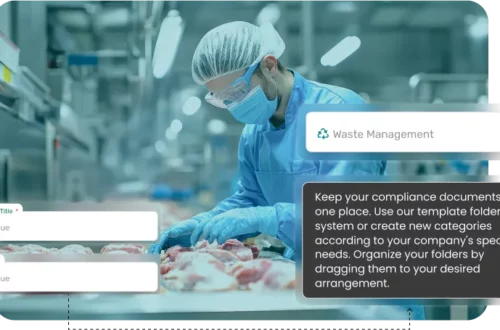
Top 5 Food Temperature Monitoring Devices for Commercial Kitchens
-
Top 5 Food Temperature Monitoring Devices for Commercial Kitchens
What Are Food Temperature Monitoring Devices and Why Are They Essential in Commercial Kitchens?
Food temperature monitoring devices are precise tools used to measure and keep track of the internal temperatures of food items during cooking, storage, and holding processes. These instruments play a crucial role in preventing foodborne illnesses in professional food service settings.
Preventing Foodborne Illnesses Through Temperature Control
Bacteria can multiply rapidly within the “danger zone” temperature range of 5°C to 60°C. Implementing food temperature monitoring practices helps food service establishments eliminate guesswork and maintain strict safety standards. Through accurate food temperature monitoring devices, businesses can verify that food has reached safe internal temperatures during cooking and remains properly chilled during storage.
This level of precision in food temperature monitoring is essential for preventing the growth of harmful bacteria such as Salmonella, E. coli, and Listeria — pathogens responsible for thousands of cases of foodborne illness each year. By maintaining consistent temperature control, food businesses can protect consumers’ health and ensure compliance with food safety regulations.
Meeting Regulatory Requirements
Health inspectors require documented evidence that proper temperature management practices are being followed. Modern food temperature monitoring devices have the capability to generate automatic logs and alerts, which serve as proof of compliance with various regulations, including:
- Food Standards Agency (FSA) guidelines
- HACCP (Hazard Analysis Critical Control Points) protocols
- Local environmental health regulations
Commercial kitchens that do not have reliable systems in place for monitoring temperatures may face enforcement actions such as fines, temporary closures, or even revocation of their operating licences. It is essential for these establishments to invest in high-quality commercial kitchen equipment specifically designed for temperature monitoring. By doing so, they can protect both public health and their business operations, making these devices necessary investments rather than optional add-ons.

How Does Proper Temperature Control Impact Food Safety in Commercial Kitchens?
Temperature control is the main way to stop bacteria from growing and causing foodborne illness. The “danger zone” between 5°C and 60°C is where harmful bacteria like Salmonella, E. coli, and Listeria can multiply quickly, possibly doubling every 20 minutes.
Critical Temperature Ranges for Food Safety
Commercial kitchens must keep strict temperature limits for all types of food:
- Hot foods: Must stay at 60°C or higher during holding and serving
- Cold foods: Need to be stored at 4°C or lower to stop bacteria from growing
- Frozen items: Should be kept at -18°C to maintain quality and safety
Consequences of Temperature Mismanagement
When commercial kitchen hygiene rules fail regarding temperature control, the outcomes can be serious. Bacterial contamination can lead to food poisoning outbreaks, potentially affecting many customers at once. The financial consequences go beyond immediate medical expenses—restaurants face legal responsibility, regulatory fines, temporary closures, and long-lasting damage to their reputation that drives customers away.
The Human Factor in Temperature Safety
Equipment alone cannot ensure foodborne illness prevention. Staff must understand why temperatures are important, not just what temperatures to keep. Proper training makes sure employees check temperatures at the right times, place thermometer probes correctly in the thickest part of food, and take appropriate action when readings go outside safe ranges. Regular competency checks confirm that team members remember these crucial skills.
More about: How Remote Temperature Monitoring Systems Keep Food Safe Overnight
What Features Should Be Considered When Choosing Food Temperature Monitoring Devices for Commercial Use?
Accuracy stands as the most critical device feature for commercial kitchens. A monitoring device must provide readings within ±1°F to ensure food stays within safe temperature zones. Look for equipment with calibration capabilities that allow regular adjustments to maintain precision throughout the device’s lifespan.
Durability determines whether a device can withstand the demanding conditions of commercial food preparation. Professional-grade thermometers need moisture resistance to handle steam, splashes, and frequent cleaning. Devices with IP ratings (Ingress Protection) indicate their ability to resist water and dust penetration. Probe cables should tolerate high temperatures—ideally up to 572°F for continuous use, with short-term resistance to 700°F for extreme cooking scenarios.
Alarms provide essential safeguards against temperature drift. High and low temperature alerts notify staff immediately when food enters the danger zone between 40°F and 140°F. Programmable alarms allow customisation for different food types and storage requirements. Audible alerts must be loud enough to hear in busy kitchen environments, typically 85 decibels or higher.
Additional considerations include:
- Display readability in various lighting conditions
- Response time for quick temperature readings
- Battery life to prevent unexpected failures during service
- Probe length suitable for large cuts of meat or deep containers
Which Are the Top 5 Food Temperature Monitoring Devices Recommended for Commercial Kitchens?
The best top food thermometers for commercial operations combine precision, durability, and ease of use to meet demanding kitchen environments. These five devices represent the industry’s most reliable options for maintaining food safety standards.
1. ChefAlarm by ThermoWorks
This professional oven thermometer stands out with its large, backlit display that shows continuous minimum and maximum temperature readings simultaneously. The Pro-Series probes withstand temperatures up to 572°F, with cable insulation rated for short-term exposure up to 700°F. Its splashproof design protects against kitchen moisture, whilst programmable high and low alarms alert staff immediately when temperatures drift outside safe zones. The adjustable timer adds versatility for multi-task monitoring.
2. Cooper-Atkins DFP450W Digital Pocket Thermometer
Built for speed and accuracy, this device delivers readings in three seconds with a temperature range of -40°F to 450°F. The antimicrobial casing resists bacterial growth, and the auto-off feature preserves battery life during busy service periods. Its slim profile fits easily into chef coat pockets.
3. ThermoWorks Thermapen ONE
Reading temperatures in one second, this instant-read thermometer features an intelligent backlight that adjusts to ambient conditions. The 360-degree rotating display ensures readability from any angle, whilst the IP67 waterproof rating allows for complete submersion during cleaning.
4. Comark WiFi Temperature Monitoring System
This wireless system monitors multiple points simultaneously, sending real-time alerts to smartphones when temperatures deviate. Cloud-based data logging provides automatic HACCP compliance documentation, eliminating manual record-keeping.
5. Taylor Precision Products 9842FDA Waterproof Digital Thermometer
NSF-certified and FDA-compliant, this thermometer offers a temperature range of -40°F to 450°F with ±1°F accuracy. The hold function freezes readings for recording, whilst the shatterproof lens protects the display in high-traffic environments.
How Can Staff Training Enhance the Effectiveness of Food Temperature Monitoring in Commercial Kitchens?
Staff training transforms temperature monitoring devices from simple tools into powerful food safety assets. Even the most advanced thermometer delivers inaccurate readings when used incorrectly—inserting the probe into the wrong part of food, failing to wait for stable readings, or measuring surface temperature instead of internal temperature compromises safety protocols.
Proper thermometer usage requires specific techniques that staff must master through hands-on training:
- Probe placement: Insert thermometers into the thickest part of food, avoiding bones, fat, or gristle that skew readings
- Reading stability: Wait for temperature displays to stabilise before recording measurements, typically 10-15 seconds for digital devices
- Multiple checks: Test several locations in large batches or thick cuts to ensure uniform temperature throughout
- Probe depth: Insert probes at least 2 inches into solid foods for accurate core temperature readings
Regular calibration practices maintain device accuracy and prevent false confidence in faulty readings. Staff should perform ice-point calibration monthly by submerging probes in ice water (should read 32°F/0°C) or boiling-point calibration using boiling water (should read 212°F/100°C at sea level). Documentation of calibration dates and results creates accountability whilst identifying devices requiring professional recalibration or replacement.
Training sessions should include practical demonstrations, competency assessments, and refresher courses quarterly to reinforce correct procedures and address common mistakes that compromise food safety standards.
What Additional Food Safety Practices Complement Temperature Monitoring in Commercial Kitchens?
Temperature monitoring works best when paired with robust cross-contamination prevention and strict hygiene protocols. A colour-coded cutting board system creates an immediate visual barrier between raw meats and ready-to-eat foods, reducing the risk of bacterial transfer that temperature control alone cannot address.
Effective cross-contamination prevention includes:
- Red boards exclusively for raw meat
- Yellow boards for cooked proteins
- Green boards for fresh produce and salads
- Blue boards for raw fish and seafood
- White boards for dairy products and bread
Sanitisation routines after handling raw ingredients serve as the second line of defence. Commercial kitchens should implement a three-step cleaning process: scraping away food debris, washing with hot soapy water, and applying an approved sanitiser solution. All contact surfaces, utensils, and equipment require thorough sanitisation between tasks involving different food types.
Proper refrigerator organisation prevents physical contamination when temperature systems fail to catch positioning errors. Raw meats belong on bottom shelves where drips cannot reach prepared foods above. Staff must understand that even perfectly chilled food becomes unsafe when cross-contamination occurs through improper storage or handling practices.
In addition to these practices, adhering to the top 10 tips for a food-safe kitchen can further enhance food safety in commercial kitchens.

Why Is Investing in Quality Food Temperature Monitoring Equipment Beneficial for Commercial Kitchens?
Quality temperature monitoring equipment protects commercial kitchens from devastating financial losses and legal complications. A single foodborne illness outbreak can cost establishments thousands in compensation claims, legal fees, and temporary closures. Reliable devices from the Top 5 Food Temperature Monitoring Devices for Commercial Kitchens provide documented proof of food safety compliance, creating a defensible record during health inspections and potential litigation.
Investment benefits extend beyond risk mitigation:
- Financial protection: Preventing even one outbreak saves substantially more than the cost of premium monitoring equipment
- Reduced food waste: Accurate temperature tracking prevents unnecessary disposal of products due to uncertainty about storage conditions
- Operational efficiency: Automated alerts allow staff to focus on service rather than constant manual checks
- Insurance advantages: Documented safety protocols may qualify kitchens for reduced liability insurance premiums
Customer trust represents perhaps the most valuable return on investment. Establishments demonstrating rigorous temperature monitoring build reputations for safety and quality that translate directly into repeat business and positive reviews. In an era where social media amplifies food safety incidents instantly, the cost of quality monitoring devices pales against the potential damage to brand reputation.
Ready to protect your kitchen and customers? Explore professional-grade temperature monitoring solutions that deliver accuracy, durability, and peace of mind. Your investment in proper equipment today safeguards your business’s future and reinforces your commitment to exceptional food safety standards.
Learn about: How Remote Temperature Monitoring Systems Keep Food Safe Overnight
FAQs
1. What are food temperature monitoring devices and why are they important in commercial kitchens?These devices accurately measure the internal temperatures of food during cooking, storage, and holding, preventing foodborne illnesses and ensuring compliance with safety regulations.
2. How do temperature monitoring devices prevent foodborne illnesses?By keeping food out of the “danger zone” (5°C–60°C), these devices stop harmful bacteria like Salmonella, E. coli, and Listeria from multiplying, reducing the risk of contamination.
3. What are the critical temperature ranges for safe food storage and cooking?Hot foods: ≥60°C
Cold foods: ≤4°C
Frozen items: -18°C or lower
Maintaining these ranges prevents bacterial growth and ensures food safety.4. What features should commercial kitchens look for when choosing temperature monitoring devices?Key features include high accuracy (±1°F), durability and moisture resistance, IP ratings, fast response time, programmable alarms, and suitable probe lengths for different foods.
5. Which are the top recommended food temperature monitoring devices for commercial kitchens?Some top devices include:
ChefAlarm by ThermoWorks
Cooper-Atkins DFP450W Digital Pocket Thermometer
ThermoWorks Thermapen ONE
Comark WiFi Temperature Monitoring System
Taylor Precision Products 9842FDA Waterproof Digital Thermometer6. How does staff training improve the effectiveness of temperature monitoring devices?Proper training ensures correct probe placement, stable reading times, multiple checks for large batches, and regular calibration, turning devices into reliable tools for food safety compliance.
7. How do temperature monitoring devices help with regulatory compliance?Modern devices generate automatic logs and alerts, serving as documented proof for HACCP protocols, FSA guidelines, and local health inspections.
8. Can temperature monitoring devices reduce food waste and operational costs?Yes. Accurate monitoring prevents unnecessary disposal due to uncertainty about storage conditions, optimises inventory management, and frees staff from constant manual checks.
9. What complementary food safety practices enhance the effectiveness of temperature monitoring?Cross-contamination prevention using colour-coded cutting boards, strict sanitisation routines, proper refrigerator organisation, and adherence to hygiene protocols work alongside temperature monitoring to ensure food safety.
10. Why is investing in high-quality temperature monitoring devices worthwhile for commercial kitchens?Reliable devices protect against foodborne illness, legal liability, financial losses, and reputational damage, while improving operational efficiency, food quality, and customer trust.
You May Also Like
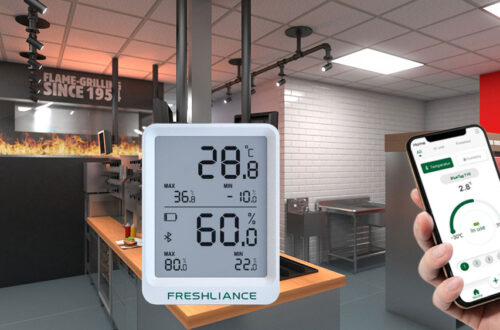
How Remote Temperature Monitoring Systems Keep Food Safe Overnight
-
How to Measure the Success of Your SEO Optimalisatie Efforts
In 2025, SEO optimalisatie is a crucial part of any digital marketing strategy. However, all the effort you put into improving your website’s SEO is only as good as the results it delivers. Without the right measurement tools and strategies, it’s challenging to know whether your SEO efforts are truly paying off. This article will guide you through the best practices for measuring the success of your SEO efforts in 2025. We’ll dive into key metrics, tools, and strategies for evaluating your on-page and off-page SEO, content optimization, backlink performance, user experience (UX), mobile-first indexing, and EEAT (Experience, Expertise, Authoritativeness, Trustworthiness). We’ll also point out outdated techniques that no longer provide meaningful data, helping you avoid wasted efforts and focus on what really matters. By the end of this article, you’ll have actionable insights on how to track, analyze, and optimize your SEO strategy for better performance and higher rankings.
1. The Importance of Measuring SEO Success
Why Measurement Matters
In today’s competitive online landscape, it’s not enough to just implement SEO strategies and hope for the best. Measuring the success of your SEO efforts helps you understand what’s working and what isn’t. This ensures that you can tweak your strategies for optimal results. Without proper measurement, you’re essentially flying blind—making changes without knowing if they’re having the desired impact.
Tip: SEO measurement allows you to identify your most valuable content, areas of improvement, and emerging trends. This data helps shape your long-term strategy and improve your website’s overall performance.
2. Key Metrics for SEO Success in 2025
Organic Traffic
The most obvious and direct way to measure the success of your SEO strategy is by looking at organic traffic—the number of visitors who come to your site through search engine results. In 2025, organic traffic remains one of the most valuable indicators of SEO success.
Tip: Use Google Analytics or other traffic tracking tools to monitor organic traffic over time. Compare periods of growth or decline with specific SEO changes or content updates to gauge what strategies are working best.
Keyword Rankings
Keyword rankings are still a key performance indicator (KPI) for SEO success. If your targeted keywords are ranking higher over time, it’s a sign that your SEO optimization is on track.
Tip: Regularly track your keyword rankings using tools like SEMrush, Ahrefs, or Moz. Monitor both short-tail and long-tail keywords, as these provide insights into your overall visibility on search engines.
3. Content Performance and Engagement
Bounce Rate
Bounce rate is a critical user behavior metric that can indicate how well your content engages visitors. A high bounce rate could suggest that visitors aren’t finding what they expected or aren’t staying long enough to engage with your content.
Tip: Aim for a low bounce rate by ensuring your content is valuable, user-friendly, and relevant to the keywords it targets. Improving the content layout, adding multimedia elements, and improving loading speed can help reduce bounce rates.
Time on Page
Time on page is another key metric that shows how engaging and relevant your content is. If visitors spend more time on your page, it likely means they find your content useful and are interacting with it.
Tip: Create high-quality, in-depth content that keeps users on your page longer. Add related links to keep users engaged with more of your content, and use calls to action (CTAs) to prompt further interaction.
Conversion Rate
Ultimately, the success of SEO is measured not only by traffic but also by conversions. A well-optimized website should lead visitors to take specific actions—whether that’s making a purchase, subscribing to a newsletter, or filling out a contact form.
Tip: Use tools like Google Analytics or HubSpot to track conversions. Monitor how your SEO efforts impact conversion rates over time and adjust your content and design to improve those results.
4. Backlink Analysis: Evaluating Your Link Building Efforts
Quality of Backlinks
Backlinks are one of the most important ranking factors in SEO, but the focus should be on quality, not quantity. Evaluating the quality of your backlinks helps determine the authority and trustworthiness of your website.
Tip: Use tools like Ahrefs or Moz to analyze your backlink profile. Look for high-authority, relevant websites linking to your content. A few strong backlinks from reputable sites are more valuable than many low-quality links.

Referring Domains and Anchor Text
Referring domains and anchor text are important factors for both SEO and user engagement. Diverse referring domains and relevant anchor text help improve your site’s authority and relevance in search engines.
Tip: Ensure your backlinks are coming from diverse sources. Use descriptive and relevant anchor text when acquiring links, as this helps search engines understand the context of the linked content.
5. User Experience (UX) and Core Web Vitals
Core Web Vitals
Google’s Core Web Vitals, which include metrics like Largest Contentful Paint (LCP), First Input Delay (FID), and Cumulative Layout Shift (CLS), are now integral to SEO. These metrics measure how users experience your site in terms of load time, interactivity, and visual stability.
Tip: Use tools like Google PageSpeed Insights or Lighthouse to track and improve your Core Web Vitals. Optimizing these metrics will improve user experience and positively impact your SEO performance.
Mobile Usability
With mobile-first indexing, Google prioritizes the mobile version of your website for ranking. If your website isn’t optimized for mobile users, it will negatively impact both your rankings and user experience.
Tip: Ensure your website is fully responsive and optimized for mobile devices. Regularly test your site on different screen sizes to ensure a seamless experience.
6. EEAT (Experience, Expertise, Authoritativeness, Trustworthiness)
Trust Signals
EEAT is becoming increasingly important in 2025 for SEO. Websites that demonstrate experience, expertise, authority, and trustworthiness are favored by Google’s algorithms, especially for sensitive topics like healthcare, finance, and law.
Tip: Build trust by showcasing expert authorship, citing credible sources, and regularly updating your content to reflect the latest knowledge in your field. Encourage customer reviews and testimonials to further enhance your site’s trustworthiness.
7. Outdated SEO Techniques to Avoid
As SEO evolves, certain techniques that were once popular are now outdated and ineffective. It’s important to stay current and avoid tactics that could harm your SEO efforts.
Keyword Stuffing
Keyword stuffing—filling your content with excessive or irrelevant keywords—was once a common tactic to rank higher. However, Google now penalizes overuse of keywords, favoring naturally written content that adds value.
Tip: Focus on creating content that naturally incorporates keywords and provides value to users. Avoid trying to game the system with excessive keyword use.
Low-Quality Link Building
In the past, buying links or using link farms was a common way to build backlinks. However, Google now penalizes sites that participate in these tactics.
Tip: Focus on earning high-quality backlinks through content marketing, outreach, and building relationships with authoritative sites.
8. Summary & Actionable Checklist for Measuring SEO Success
To effectively measure the success of your SEO efforts in 2025, follow this actionable checklist:
- Track Organic Traffic: Use Google Analytics to monitor the traffic driven by organic search.
- Monitor Keyword Rankings: Regularly track your rankings using tools like Ahrefs or SEMrush.
- Measure User Engagement: Analyze bounce rate, time on page, and conversions to assess content effectiveness.
- Evaluate Backlink Quality: Use Ahrefs or Moz to analyze the quality of your backlinks and referring domains.
- Optimize User Experience: Track Core Web Vitals and mobile usability to ensure a positive user experience.
- Focus on EEAT: Showcase expertise and trustworthiness in your content to improve rankings and credibility.
By following these strategies, you can track the success of your SEO optimalisatie efforts and ensure your website continues to improve in rankings, traffic, and conversions.
Meta Description (150-160 words):
Learn how to measure the success of your SEO optimalisatie efforts in 2025. Discover the key metrics for SEO success, including organic traffic, keyword rankings, user engagement, backlink analysis, and Core Web Vitals. This article provides actionable tips on evaluating the effectiveness of your on-page and off-page SEO strategies. Avoid outdated techniques like keyword stuffing and low-quality link building. Whether you’re an SEO professional or business owner, this guide will help you track, analyze, and optimize your SEO efforts for better performance and higher rankings.
releated:2023 Smart SEO Agency Practices to Scale Your SEO Ranking

seo services to rank website