Food Safety
-
How a Temperature Monitoring System Improves HACCP Reporting
A temperature monitoring system tightens that gap. It collects readings automatically, flags issues as they happen, and turns messy logs into clean, audit-ready HACCP evidence.
What makes temperature records so critical in HACCP reporting?
Temperature logs are the simplest way to prove control of key hazards. They show that cold holding, cooking, cooling, and hot holding stayed within safe limits.
When records are missing or unclear, it is hard to prove control. That is when corrective actions, root-cause notes, and verification steps become tougher to defend during inspections or third-party audits.
How does a temperature monitoring system reduce manual logging errors?
A robust temperature monitoring system eliminates repetitive manual tasks that often lead to human error. Rather than requiring staff to record readings during peak service periods, a temperature monitoring system automatically captures data at predefined intervals, ensuring consistency and reliability.
This automation significantly reduces illegible handwriting, missed checks, transposed digits, and retrospective “backfilled” logs. The outcome is a precise, time-stamped record of conditions, strengthening HACCP documentation and enhancing overall audit credibility.

How does automated monitoring improve the completeness of HACCP records?
It creates continuous or high-frequency data, not just a few spot checks. That means fewer gaps between readings where problems could hide.
For HACCP reporting, completeness matters because it demonstrates ongoing control. Automated logs can also include timestamps, device IDs, and location labels, making each record easier to trace back to a specific step or piece of equipment.
How do real-time alerts strengthen corrective action reporting?
Alerts turn temperature problems into actionable events instead of discoveries after the fact. When a cooler drifts out of range, the right people can be notified immediately.
That speed improves corrective action notes. They can document what happened, when it happened, who responded, what product was affected, and what was done to restore control, all with accurate timing from the system’s data.
How does the system make verification and validation easier?
Verification becomes simpler because managers can review trends and exceptions without chasing paper logs. They can confirm checks happened, limits were met, and corrective actions were completed.
Validation also becomes stronger over time. With historical temperature trends, they can show that critical limits and monitoring frequency are appropriate for their process, especially for cooling curves, hot holding stability, and repeated equipment issues.
How does centralized reporting help during audits and inspections?
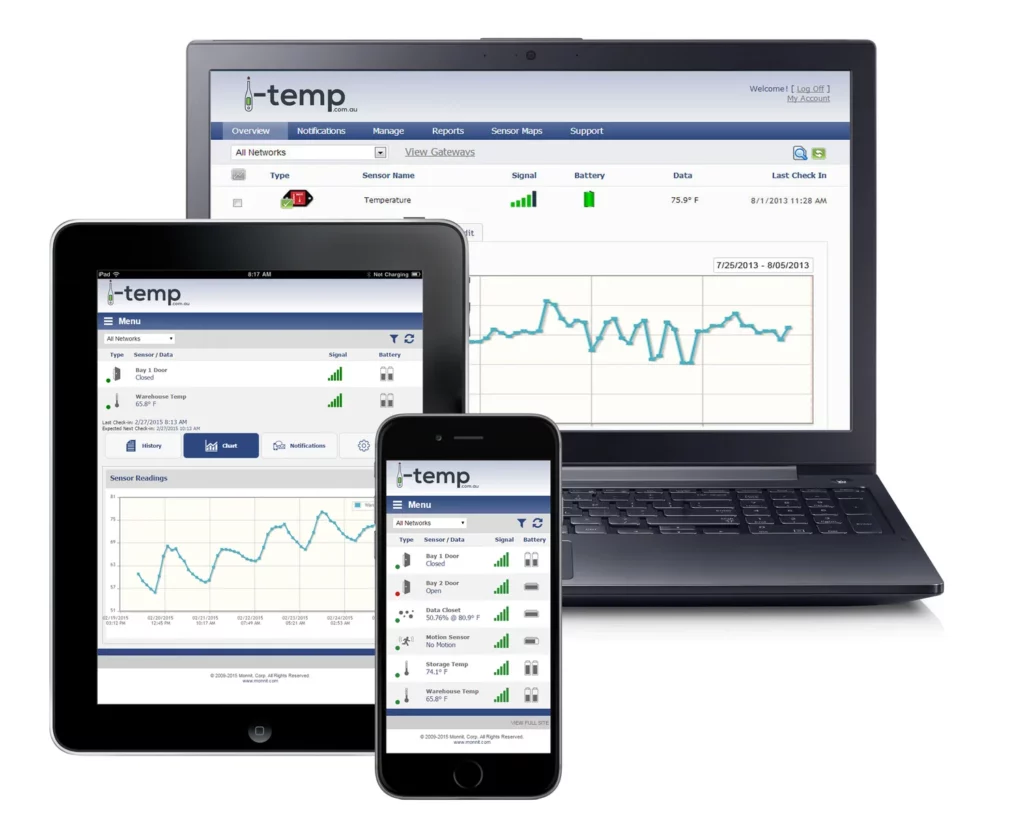
It gives them one place to pull HACCP evidence quickly. Instead of gathering clipboards from different stations, they can filter by date, location, product, or CCP.
This saves time and reduces anxiety. Auditors often want to see specific windows, like a weekend shift or a holiday rush. Centralized reporting makes those requests easy to answer with consistent formatting.
How does better temperature data improve trend analysis and prevention?
It helps them spot patterns before they become nonconformances. A cooler that creeps upward every afternoon, or a delivery bay that warms during unloads, becomes visible in the data.
That supports preventive maintenance and process changes. In HACCP terms, it strengthens ongoing verification and reduces repeated corrective actions by addressing the cause, not just the symptom.
How does a monitoring system support multi-site consistency?
It standardizes how monitoring is done across locations. Each site can use the same limits, reporting templates, and escalation rules.
For teams managing multiple kitchens, stores, or warehouses, this consistency matters. It allows comparisons, simplifies training, and makes corporate-level HACCP reporting more uniform, which is useful for brand standards and third-party certification.
How should they choose a system that actually improves HACCP reporting?
They should focus on reporting and proof, not just sensors. A strong option offers configurable critical limits, clear audit trails, easy exports, and reliable alert history.
They should also check basics that affect trust: sensor accuracy, calibration support, offline resilience, role-based access, and whether reports map cleanly to their CCPs and prerequisite programs. If it is hard to pull a report in two minutes, it will not feel like an improvement when audits hit.
What is the practical takeaway for HACCP teams?
A temperature monitoring system improves HACCP reporting by making records more accurate, more complete, and easier to defend. It also makes corrective actions and verification faster because the data is already organized.
In practice, it helps them spend less time chasing logs and more time preventing issues, which is the point of HACCP in the first place.
FAQs (Frequently Asked Questions)
Why are temperature records essential in HACCP reporting?
Temperature records are crucial in HACCP reporting because they provide clear proof of control over key hazards such as cold holding, cooking, cooling, and hot holding. Accurate temperature logs demonstrate that these critical control points stayed within safe limits, making it easier to defend corrective actions and verification steps during inspections or audits.
How does an automated temperature monitoring system minimize manual logging errors?
An automated temperature monitoring system reduces manual logging errors by eliminating repetitive human tasks prone to mistakes. Instead of staff manually recording temperatures during busy shifts, sensors automatically capture readings on schedule, reducing issues like illegible handwriting, missed checks, transposed digits, and backfilled logs. This leads to more accurate and credible HACCP documentation.
In what ways does automated temperature monitoring improve the completeness of HACCP records?
Automated temperature monitoring provides continuous or high-frequency data rather than sporadic spot checks, minimizing gaps where problems could go unnoticed. These comprehensive logs include timestamps, device IDs, and location labels, enhancing traceability for each record. This completeness demonstrates ongoing control over critical processes essential for robust HACCP reporting.
How do real-time alerts enhance corrective action reporting in food safety management?
Real-time alerts convert temperature deviations into immediate actionable events by notifying responsible personnel as soon as a cooler or equipment drifts out of range. This prompt notification enables timely corrective actions with detailed documentation of what happened, when it occurred, who responded, affected products, and steps taken to restore control—strengthening the accuracy and reliability of corrective action reports.
What benefits does centralized reporting offer during HACCP audits and inspections?
Centralized reporting consolidates all HACCP evidence into one accessible platform where auditors can quickly filter data by date, location, product, or critical control point (CCP). This streamlined access saves time, reduces stress during audits, and ensures consistent formatting—making it easier to respond promptly to specific audit requests like weekend shifts or holiday periods.
How can a temperature monitoring system support consistency across multiple sites?
A temperature monitoring system standardizes monitoring practices across multiple locations by applying uniform critical limits, reporting templates, and escalation protocols. This consistency facilitates easier training, allows for effective comparisons between sites, and supports corporate-level HACCP reporting—ensuring brand standards are maintained and simplifying third-party certification processes.
Click here for about: Food Safety Compliance Management: Centralising Records Across Sites