SEO Marketing: The Ultimate Guide for Sydney Businesses
SEO Marketing: Building Authority and Growth in the Digital Age
The digital landscape in Australia is more competitive than ever. For businesses operating in high-stakes markets like Sydney, simply having a website isn’t enough. SEO marketing is the strategic engine that drives visibility, connects brands with intent-driven users, and transforms organic search into a reliable revenue stream.
At its core, search engine optimization is no longer just about keywords; it is about building a digital ecosystem that Google trusts and users love. By aligning technical excellence with high-value content, businesses can secure long-term rankings that withstand algorithm shifts.
What is SEO Marketing?
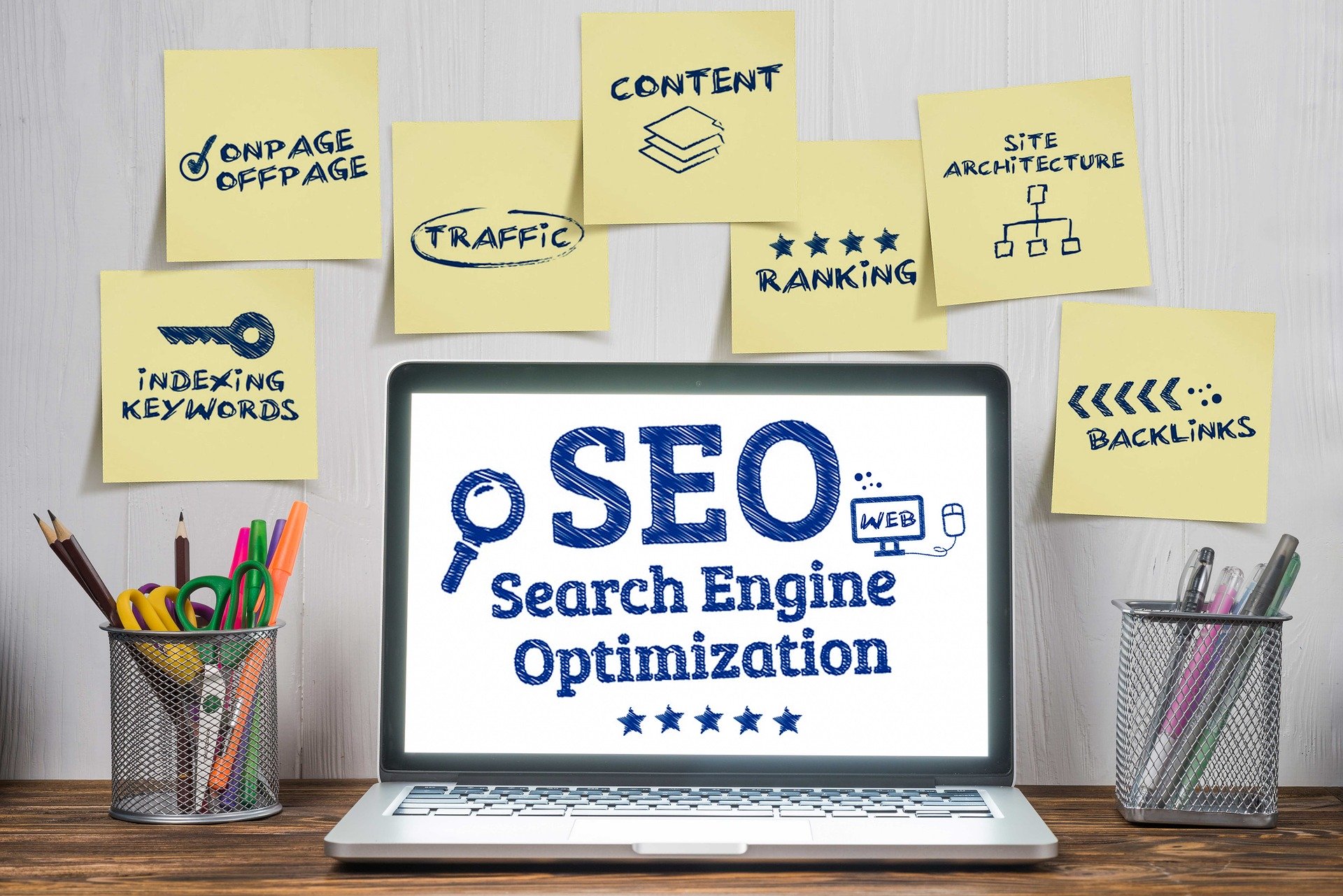
SEO marketing is a multifaceted digital strategy designed to increase a website’s visibility in search engine results pages (SERPs). Unlike paid advertising, which stops the moment your budget runs out, SEO builds “digital equity” over time.
In the Australian market, this involves a sophisticated blend of:
- Technical SEO: Ensuring Googlebot can crawl and index your site without friction.
- On-Page SEO: Optimizing content and HTML elements for specific search queries.
- Off-Page SEO: Building brand signals and backlinks to establish topical authority.
The Strategic Importance of Topical Authority
Google’s “Helpful Content System” prioritizes websites that demonstrate deep expertise. Instead of targeting isolated keywords, modern SEO focuses on topical authority.
This means covering a subject so comprehensively that search engines view your site as the go-to resource. For a Sydney-based service provider, this might involve creating a “hub and spoke” model: a central pillar page about your primary service, supported by dozens of detailed blog posts addressing specific customer pain points.
Why Crawlability Matters
If Google cannot crawl your site efficiently, your content does not exist. A logical site hierarchy allows search engines to understand the relationship between pages. High-quality internal linking tells Google which pages are your most important, ensuring they are indexed faster and ranked higher.
Maximizing ROI: Conversion Rate Optimization for Landing Pages
Traffic is a vanity metric; revenue is a sanity metric. This is where conversion rate optimization for landing pages becomes the critical partner to your SEO efforts.
SEO brings the user to the door, but Conversion Rate Optimization (CRO) ensures they walk through it. An optimized landing page in the Australian market should focus on:
| Element | SEO Benefit | CRO Benefit |
| Clear Headings | Signals relevance to Google | Instantly informs the user |
| Fast Load Times | Core Web Vital ranking factor | Reduces bounce rates |
| Mobile-First Design | Essential for indexing | Matches user behavior |
| Trust Signals | Builds E-E-A-T | Encourages the final click |
Best Practices for Sydney Landing Pages
- Localized Social Proof: Feature testimonials from clients in New South Wales or iconic Sydney suburbs to build immediate local trust.
- Frictionless UX: Minimize form fields. Every extra field reduces the likelihood of a conversion.
- Strong CTAs: Use action-oriented language like “Get My Audit” rather than “Submit.”
The Framework for Effective SEO Marketing
To dominate the SERPs, follow this five-step operational framework designed for the Australian search landscape.
1. Keyword Research & Intent Mapping
Don’t just look at volume. Look at intent. Is the user looking for information (Informational), comparing brands (Commercial), or ready to buy (Transactional)? Your content must match the intent of the query to rank.
2. Technical Infrastructure Audit
Check for “Crawl Budget” waste. This includes fixing 404 errors, eliminating duplicate content, and ensuring your XML sitemap is up to date. For Sydney businesses, ensure your Google Business Profile is perfectly synced with your website’s Schema markup.
3. Content Architecture
Create a logical hierarchy using H1, H2, and H3 tags. This makes it easier for Google’s “Search Generative Experience” (SGE) to parse your data and potentially feature your content in AI-generated snapshots or featured snippets.
4. Conversion-Focused Design

Apply conversion rate optimization for landing pages by placing your primary value proposition “above the fold.” Use heatmaps to see where users are dropping off and adjust your layout accordingly.
5. Authority Building (Backlinks)
Earn links from reputable Australian publications, industry associations, and local directories. One link from a high-authority .com.au or .edu.au site is worth more than a hundred low-quality global links.
Common Mistakes to Avoid in SEO
- Keyword Stuffing: Modern algorithms recognize semantic patterns. Overloading a page with “SEO marketing” will trigger spam filters rather than boost rankings.
- Ignoring Mobile Users: With a high percentage of Sydney commuters searching on mobile, a non-responsive site is a death sentence for rankings.
- Thin Content: If a page doesn’t provide unique value or answer a question better than the top 10 results, it won’t rank.
- Neglecting Internal Links: Failing to link to your high-converting landing pages prevents “link juice” from flowing through your site.
FAQ: SEO Marketing and Indexing
How long does it take for Google to index new content?
Indexing can take anywhere from a few hours to several weeks. To speed up the process, submit your URL via Google Search Console and ensure the page is linked from your homepage or a high-traffic category page.
What is the difference between crawling and indexing?
Crawling is the process where Googlebot discovers your pages by following links. Indexing is when Google analyzes that content and stores it in its massive database to be served in search results.
Does conversion rate optimization for landing pages affect SEO?
Directly, no. Indirectly, yes. High conversion rates often correlate with lower bounce rates and longer “dwell time,” which are signals to Google that your page is high-quality and relevant to the user’s query.
Why is my Sydney-based business not showing up in local search?
This is often due to a lack of Local Schema markup or an unoptimized Google Business Profile. Ensure your Name, Address, and Phone number (NAP) are consistent across the web.
Is long-form content always better for SEO?
Not necessarily. Content should be as long as it needs to be to satisfy the search intent. However, “Topical Authority” usually requires deep-dive guides (1,500+ words) to cover all facets of a complex subject.
What are Core Web Vitals?
They are a set of specific factors—Largest Contentful Paint (LCP), First Input Delay (FID), and Cumulative Layout Shift (CLS)—that Google uses to measure a webpage’s user experience and speed.
Conclusion
Mastering seo marketing requires a balance of technical precision and creative communication. By focusing on topical authority and implementing conversion rate optimization for landing pages, businesses in Sydney and across Australia can secure a sustainable competitive advantage.
Remember, SEO is a marathon, not a sprint. Consistency in publishing high-value content and maintaining a healthy technical foundation is the only way to achieve and hold the top spot on Google.